
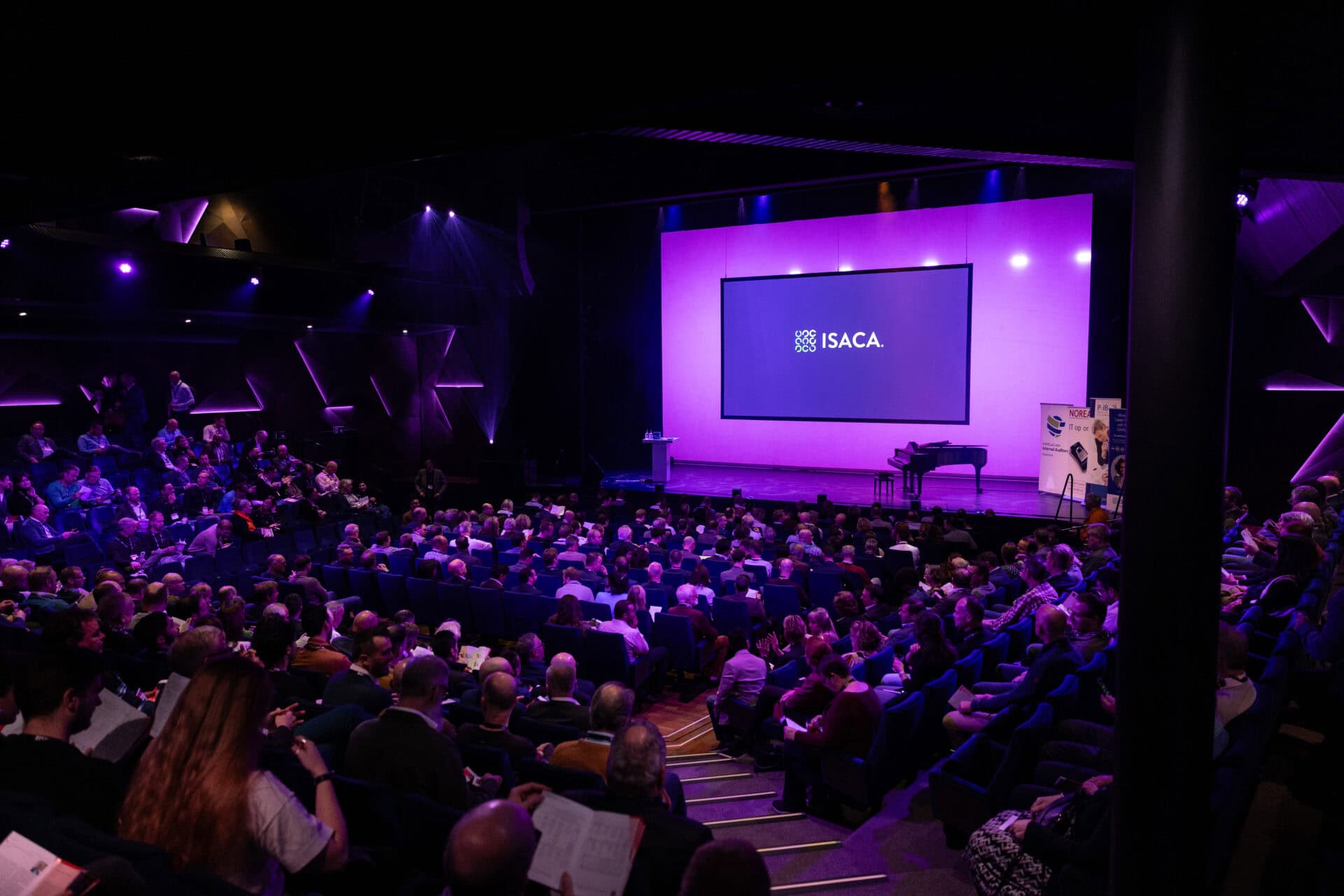







RiskEvent 2026
AIvolution: survAIval of the fittest
Artificial Intelligence is no longer a future concept — it is transforming the way organizations operate, innovate, and manage risk today. As AI technologies rapidly evolve, businesses are challenged to adapt to a landscape where governance, cybersecurity, ethics, and resilience are more critical than ever.
At the ISACA Netherlands Risk Event 2026, we explore the opportunities and risks of this new era. How can organizations remain resilient in an AI-driven world? How do we balance innovation with control, trust, and accountability? And what skills, strategies, and governance models are needed to stay ahead?
Join leading experts, practitioners, and thought leaders for an inspiring event filled with insights, real-world cases, and forward-looking discussions on the impact of AI on risk management, cybersecurity, audit, governance, and digital trust.
The AIvolution has already begun.
The question is: are you ready to survive — and thrive?
Track 1: AI and the Trust Revolution
In essence, AI acts as an magnifying glass, enlarging the possibilities for the user. When used for the greater good, like learning, research, creativity, health care or simply solving problems more efficiently, it can help people to achieve better and quicker outcomes. But at the same time AI can also magnify things for the worse. Misinformation can be produced faster, scams can become more convincing and damaging content can be distributed at a larger scale. AI does not define the intent, but it magnifies the impact of human choices. Our biggest challenge is therefore not just the technology, but using it responsibly, for benefit of individuals and society at large.
What does this mean for our daily business? Trust is central in an effective application of AI. This track explores the different aspects of this trust. Can we trust that AI decisions made by the companies we do business with have human oversight in place. What can we learn from the hacker’s perspective on AI? Can AI be used to boost society’s trust in a company?
Track 2: AI and Governance
AI is evolving. Is your governance keeping up? Tackling the challenge: balancing innovation and control.
In the age of AIvolution, the question is no longer whether AI will transform your organization — but whether your governance can keep pace.
Algorithms make decisions, models act autonomously, and regulation like the EU AI Act demands demonstrable control.
For EDP auditors and risk managers, this is the moment to determine who is “fittest”: those who not only understand AI, but can demonstrably govern it.
From strategy and design to access management and assurance — this track gives you the knowledge and tools to turn AI governance from a compliance burden into a strategic advantage.
No theory. No hype. Just demonstrable control.
Track 3: When AI Goes to the Dark Side / Rogue
Artificial Intelligence creates enormous opportunities, but it also introduces powerful new threats.
When AI is used maliciously, carelessly, or without control, it can amplify attacks, accelerate fraud, support warfare, and even influence how humans think, decide, and behave.
Track 4: Me, myself & (Agentic) AI
From AI literacy to human resilience in an age of digital colleagues
AI is evolving from tool to digital colleague. It is reshaping how we work, learn, collaborate, make decisions, and stay relevant ― as people, professionals, teams, and leaders.
This track explores the human side of AI: building AI literacy, using AI responsibly, staying relevant as professionals, and working with digital colleagues in ways that strengthen trust, assurance, and human judgment.
Success with AI is not just about control, but about how we grow and work alongside it.
Track 5: TBD
Secure your ticket now.



Aftermovie
Programme Risk Event 2026
AI and the trust revolution
AI and Governance
When AI Goes to the Dark Side / Rogue
Me, myself & (Agentic) AI
TBD

Firas is a Board Member of the ISACA Netherlands Chapter, the Dutch chapter of the global professional association for IT governance, information security, and IT auditing. Alongside his role on the Board, he chairs the ISACA Netherlands Risk Event Committee and acts as the Board liaison to the Young Professionals Committee.
Opening

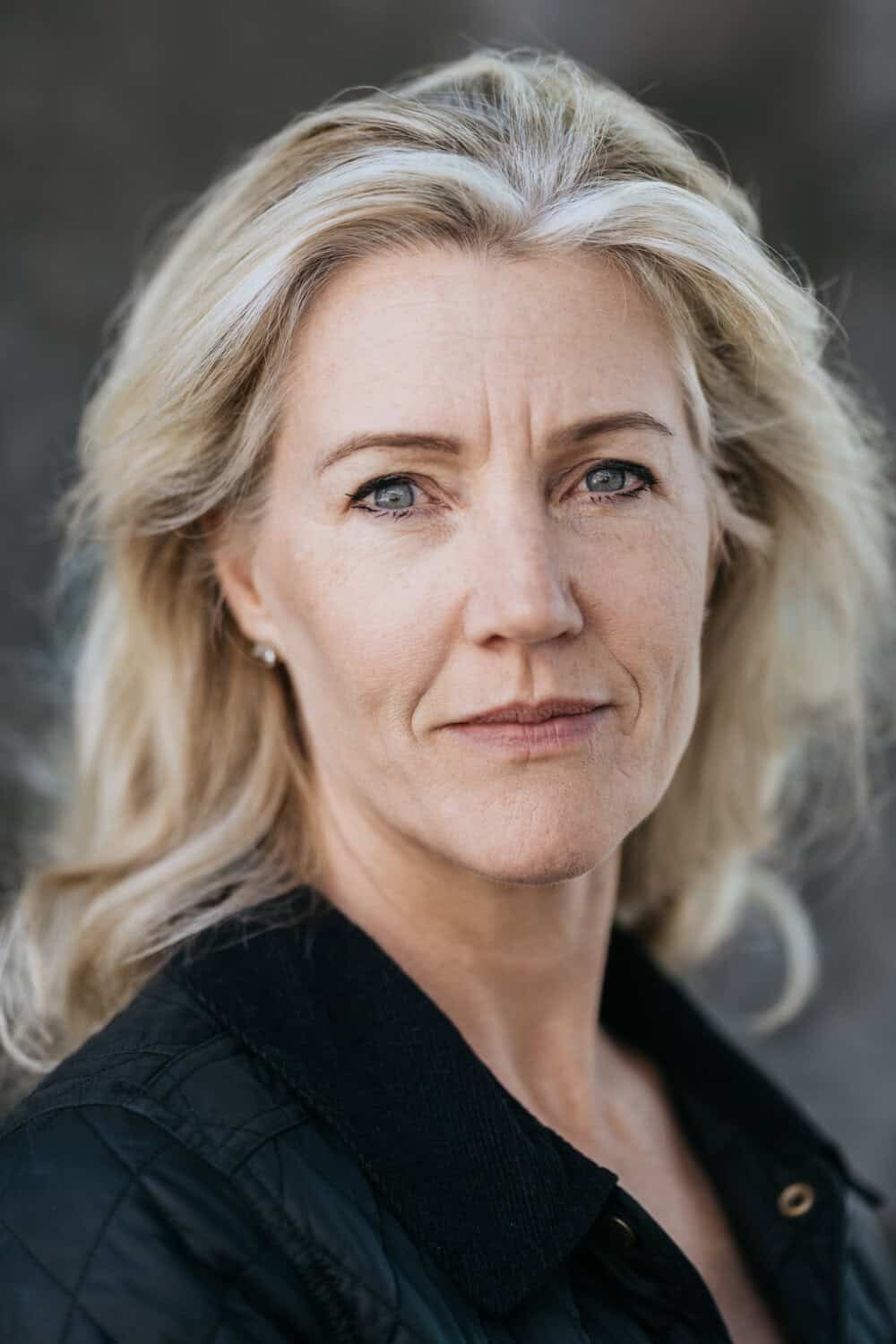
Inge is a leading security expert with a background in the intelligence service and police of The Netherlands and as former CEO of Fox-IT. She has seen all sides of cybercrime and cyber warfare. She is now an independent advisor, supervisor in thinktank Clingendael and Chair of the board of China intel firm Datenna.
Photo: Gregor Servais
Geopolitics & Cyber

Generalist-expert hybrid. Bas moves between enterprise security architecture, native and managed code, coaching people, and classroom instruction without losing depth in any of them.
With a solid background in information security, software development, and IT strategy, he specializes in solving complex challenges with a practical, no-nonsense approach. Bas balances high standards for quality and sustainability with solutions that work in the real world. His interdisciplinary experience in IT, theology, psychology, and ethics allows him to bridge the gap between technical teams and stakeholders, ensuring that solutions align with both business goals and human needs.
Outside of work, he volunteers especially with young people, discussing worldview and life questions, tinkers with sound engineering, video, and archery, and enjoys home automation and walking. He also contributes to open-source projects like Tunneler (https://github.com/dib0/tunneler, https://tunneler.dib0.nl), ELRO Connects Realtime (https://github.com/dib0/ha-elro-connects-realtime), NHapiTools (https://github.com/dib0/NHapiTools) and HL7Fuse (https://github.com/dib0/HL7Fuse).
AI als wapen: een hacker’s perspectief op trust
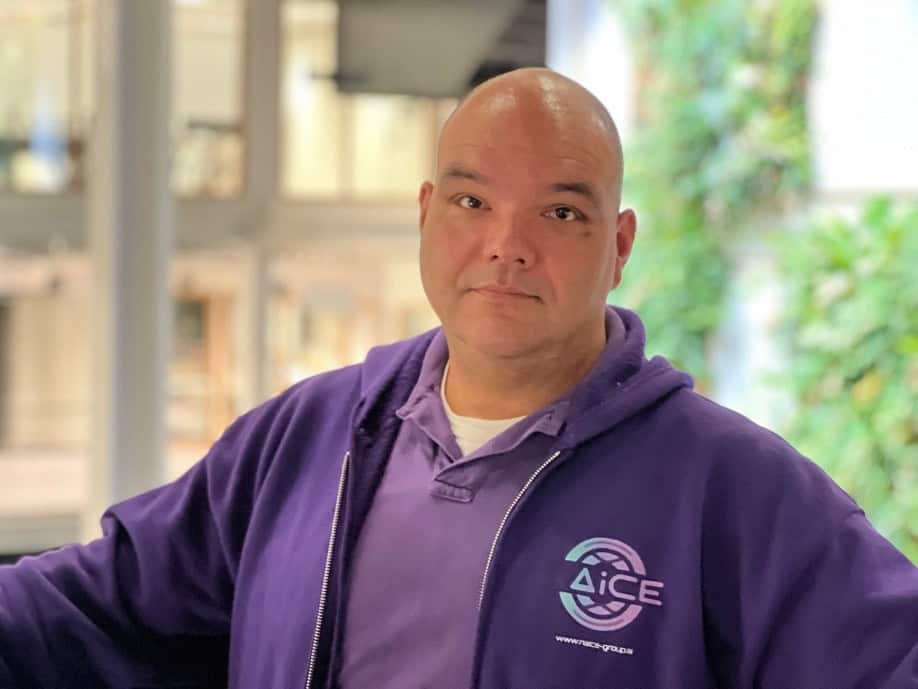
Washant is co-founder of NAICE and advises organizations on AI strategy, governance and sovereign AI. Previously he led AI, BI and Advanced Analytics at UWV and advised senior management at Deloitte on digital transformation, analytics and AI in complex public and financial-sector environments.
AI Governance: stop controlling, start governing

Julia Jakimenko is Founder and CEO of Cyberette, a forensic intelligence company focused on deepfakes, synthetic identities and human-signal analysis. With nearly two decades across cybersecurity, risk and law in banking and technology, including Rabobank, she brings an insider’s perspective on how digital deception is evolving, how it exploits trust, and how organisations can respond.
Adapt or Be Impersonated

Alban evaluates AI systems and advises on their governance. Through his practice EvAluate he works with investors, government and industry on due diligence, strategy and the EU AI Act. He is a guest researcher at the University of Amsterdam, with master’s degrees in AI, philosophy, accountancy and digital auditing.
Survival of the Hybrid – Why the future of work is people and agentic AI, together
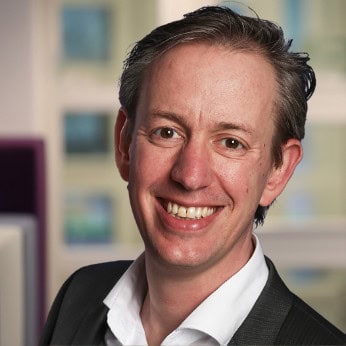
Ralph Wagter werkt als interim ICT-manager en consultant in de publieke sector. Met de voeten in de klei verbindt hij techniek en management. Liever een werkende oplossing dan een dik beleidsstuk en liever leren en weten dan aannemen.
Vertellen is goed, weten is beter

Rob is the CEO of Booleans, an independent Identity & Access Management consultancy known for its senior-only expertise and pragmatic approach to complex identity challenges. With a strong focus on strategic identity governance and long-term digital resilience, Rob works closely with organizations to ensure identity is treated as a business-critical capability rather than just a technical control.
The Invisible Workforce

Christiaan is CTO at Northwave Cyber Security, after having worked as an ethical hacker, security engineer, consultant, SOC manager and incident response coordinator, and CTO at different security companies. In his current role he tracks technological developments — both in industry and among threat actors — and translates them into Northwave’s strategy and services.
Prompt and Circumstance – When attackers go agentic
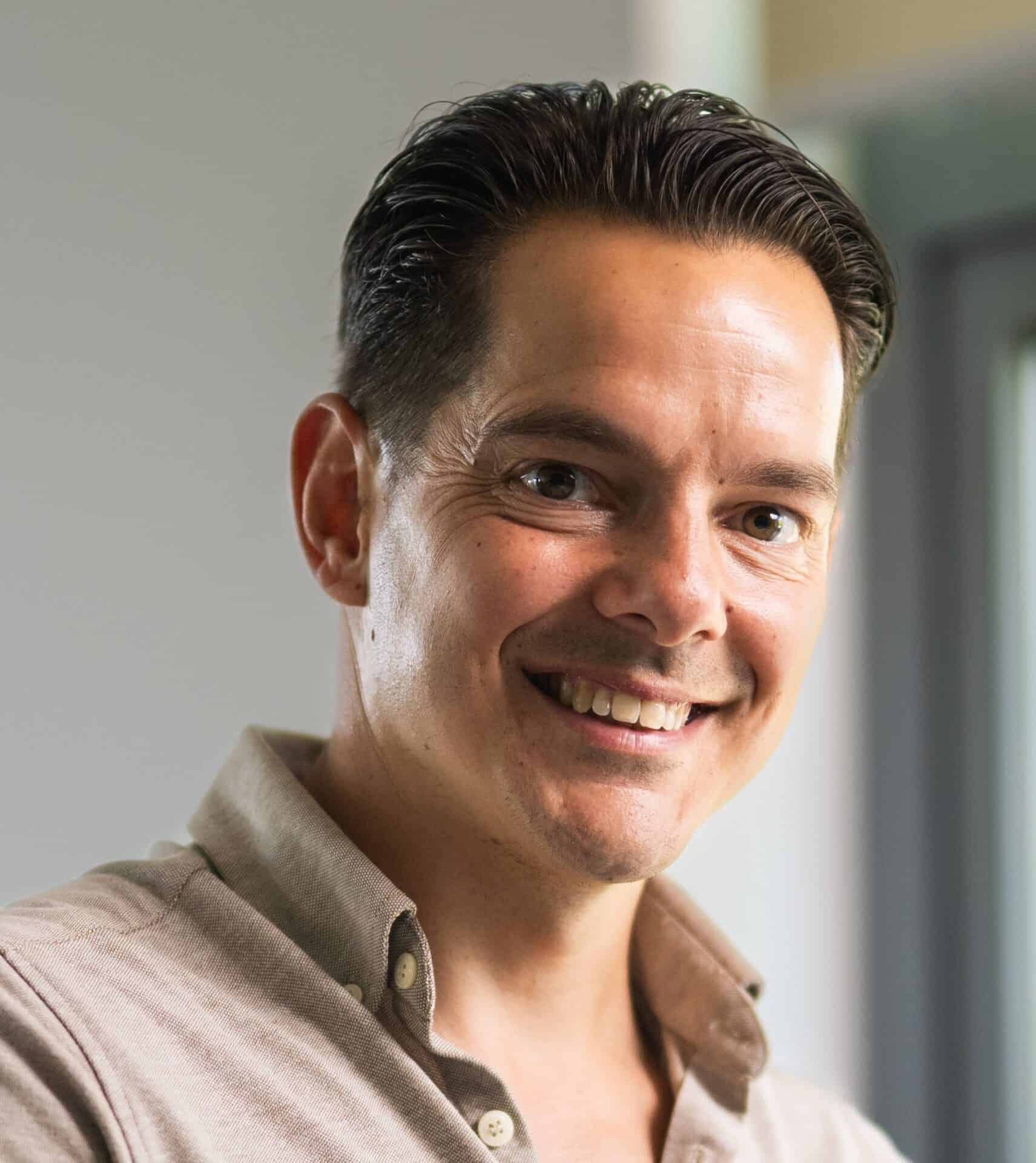
Melvin has more than 20 years of experience in the field of information security. In 2019, he co-founded Behaav together with his business partner, Rudy. Behaav is fully dedicated to security awareness and human behaviour, helping organizations build a culture in which risk-aware behaviour becomes the norm.
Attackers Engineer Behaviour, Security Professionals Should Too – A methodology to engineer behaviours into secure and desired behaviours
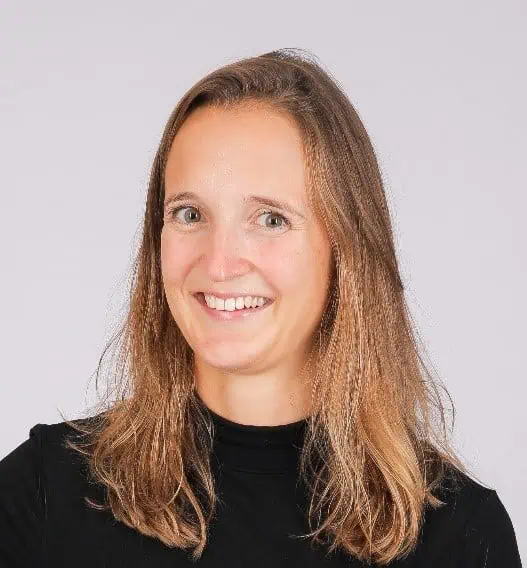



Brenno de Winter is an information security expert, author, and sought-after speaker. He connects technology, governance, and regulation into clear, practical insights. Through his latest books, he equips professionals with strategic perspective and actionable guidance on digital security, sovereignty, and resilience in an increasingly complex world.
Manon has extensive experience helping global technology companies and financial institutions navigate complex regulatory and operational challenges. Her work focuses on Trust & Safety, AI governance, digital regulation, technology risk, and large-scale transformation programs. Manon has led numerous Digital Services Act (DSA), Digital Markets Act (DMA), AI Act, and technology risk assessments, working closely with product, engineering, legal, compliance, and risk teams to design practical and scalable solutions.
Passionate about creating a safer digital world, she regularly advises organizations on emerging regulatory requirements, online safety, child protection and AI governance.
In addition to her role at KPMG, Manon serves as a board member of NOREA, the Dutch professional association for IT auditors, where she contributes to the future of technology assurance and digital trust.
Roberto is a Partner at EY (Ernst & Young), based in Amsterdam, the Netherlands. He specializes in IT auditing, technology risk management, artificial intelligence (AI), and digital transformation.
With over 11 years of experience at EY, he works with major financial institutions, helping organizations improve their IT governance, risk management, and digital capabilities.
His expertise includes AI governance, data analytics, automation, and internal controls. He also studied at TIAS School for Business and Society.
I help organizations accelerate adoption of technology transformation by aligning systems, processes, and most importantly, human behaviour. I work with leaders to embed secure, ethical, and effective practices into daily workflows, bridging the gap between compliance checklists and actionable behaviours that actually mitigate human risk.
My approach combines technology strategy with leadership-led culture transformation, alongside talent development and change management, ensuring people, processes, and technology work together seamlessly. I enable organizations to foster innovation, strengthen resilience, and realize tangible business outcomes, creating a culture and capability set that sustains lasting impact across industries.
Trust Me, I’m AI: the debate on control, assurance, and responsibility

Rob is a strategic SOC advisor helping cyber defence teams realise their full potential. With over two decades of experience in security operations, he supports organisations in SOC design, transformation, and maturity improvement.
Rob is the creator of SOC-CMM, a globally adopted framework for assessing and improving SOC maturity.
AI in Security Operations: No Longer Optional
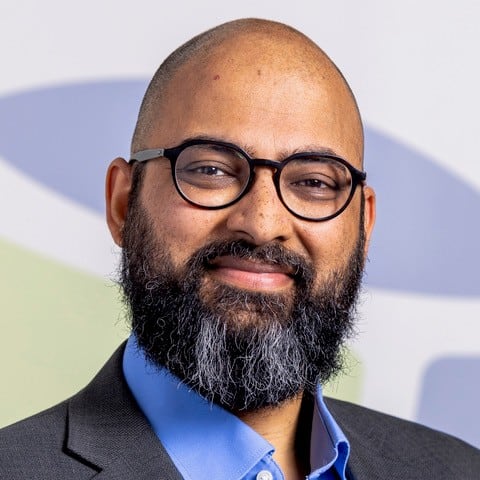
Imran MSc RE CISSP, is Senior Audit Manager bij KPN en docent Internal Auditing aan De Haagse Hogeschool. Hij is lid van de Commissie Vaktechniek en de werkgroep AI van IIA Nederland. Zijn focus: de vertaling van AI-governance naar toetsbare beheersing, en de toepassing van AI in de interne auditfunctie zelf.
AI in Control: van governance naar bewijs
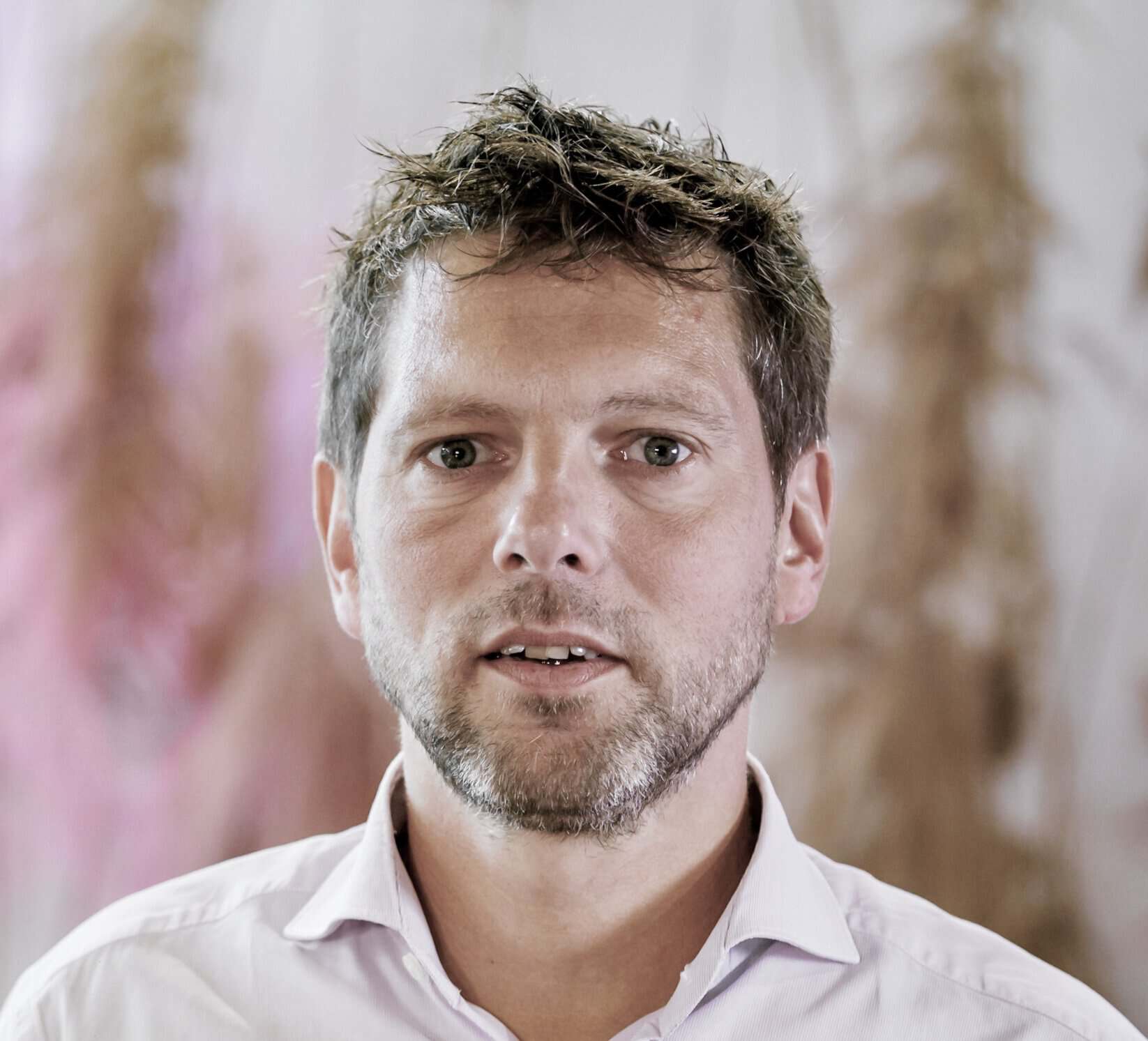
Jelle is an independent security advisor at Totaalcyber and lead advisor to Ferm Zeehavens, the cyber resilience partnership of the Dutch seaports. He previously worked at Fox-IT, Verizon, Deloitte and Microsoft Netherlands, where he was National Security Officer. He holds an MSc in Artificial Intelligence and is CISM and CISSP certified.
Every control is an incentive

Remco is a research-lecturer pursuing a PhD on unauthorised (shadow) IT and AI use at the Faculty of Cybersecurity of the Hogeschool Utrecht.
His research adopts a social-technical, systems-oriented approach, combining insights from management, psychology, and (cyber)security studies.
Why employees turn to unauthorised AI, and what to do?

Eduardo is Head of Security Analytics within the Global CISO organisation of ING Bank. A PhD physicist by training, he works at the intersection of cybersecurity, data and AI, focusing on how advanced analytics can improve security decision-making at scale
Explanations Have Become Cheap
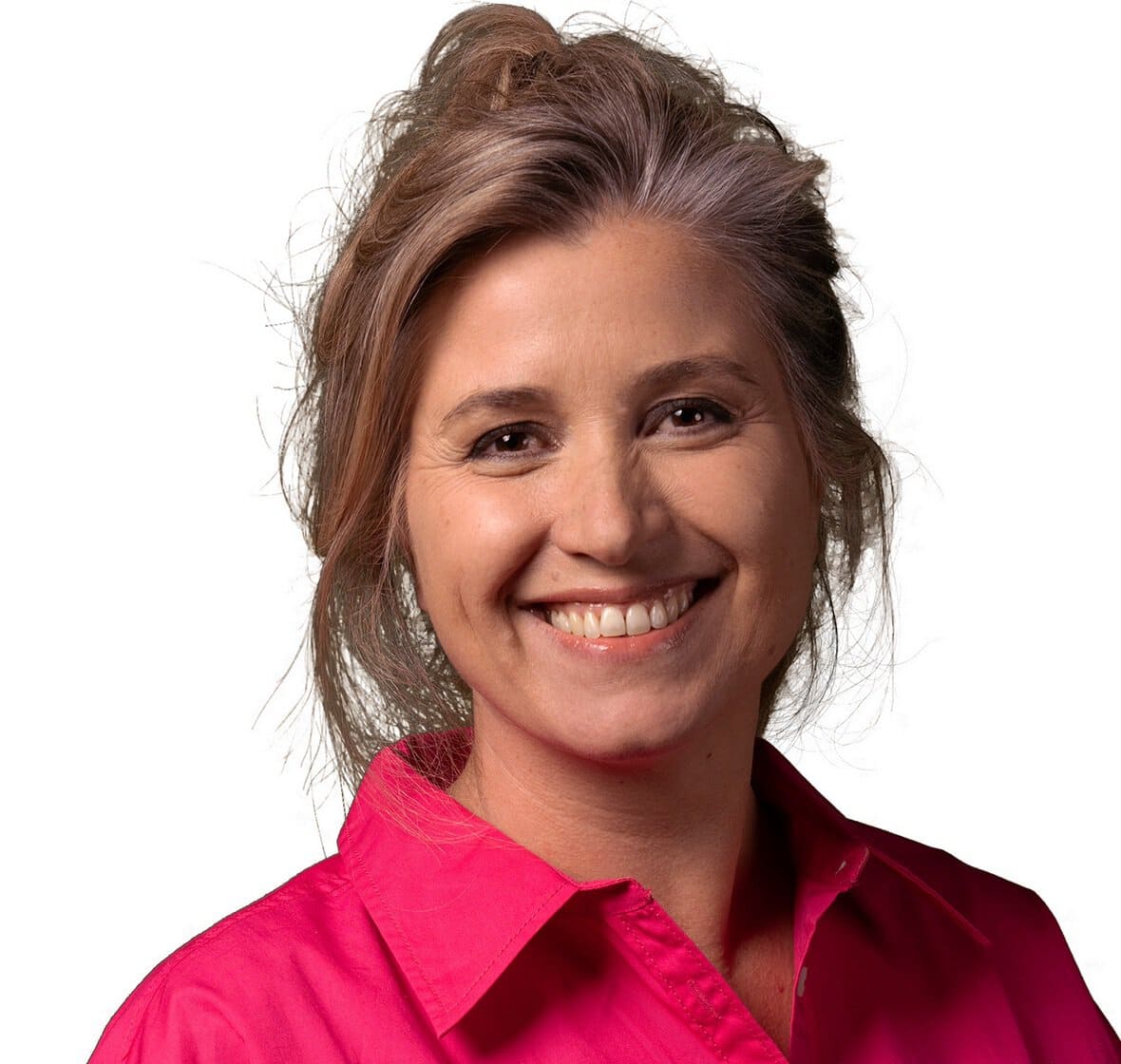
Lieke is the Field Chief Technology Officer (CTO) at Dell Technologies. She has more than two decades of experience in the IT industry, with a focus on consulting, strategy, and business development. She is passionate about making the Netherlands a better place and exploring the intersection of technology and society.
As the Field CTO, she leads industry digital transformation engagements and opportunities with Dell Technologies’ customers, leveraging her deep industry knowledge and experience. She acts as a technical and thought leader, bridging the gap between the company’s technology vision and the needs of customers in the Netherlands.
From Pilot to Scale: Responsible AI Adoption in Practice without slowing down Innovation

Isabel is an independent researcher and Senior AI Advisor at the Dutch Coordinating Supervisor on AI (DCA), part of the Dutch Data Protection Authority, where she leads the AI Product Safety Unit. She advises the Council of Europe on AI privacy risks, contributes to European AI standards, and is the author of PLOT4AI, an open-source AI threat modeling framework.
Engineering Accountability in Agentic AI Systems


François is an enterprise architect at Nationale Nederlanden with more than 30 years of experience across financial services, logistics, and global industry, working with Fortune 500 companies and early-stage startups alike. He currently focuses on applying AI across the enterprise to build intelligent systems at scale.
Ioana is a 24-year-old Romanian AI enthusiast working at Nationale-Nederlanden. She holds a Master’s in Business Information Management with a Data Science specialisation from Rotterdam School of Management. At NN, she drives AI adoption from the Management Board to development teams, through an AI training programme and multi-agentic development solutions
AI: Full Steam Ahead. But Who’s Steering?

Marcus is CEO and co-founder of Freeday. He co-founded Ciphix in 2017 to take the robot out of the human. In 2022, he started Freeday with the ambition of a three-day working week. He believes technology should give us more time to live.
Why Our Next Free Day Starts with Taking Risks
Firas is a Board Member of the ISACA Netherlands Chapter, the Dutch chapter of the global professional association for IT governance, information security, and IT auditing. Alongside his role on the Board, he chairs the ISACA Netherlands Risk Event Committee and acts as the Board liaison to the Young Professionals Committee.

My name is Dwayne Valkenburg, I work as an IT Auditor and IT Risk & Compliance Manager. Since 2006, I have been active in the Managed IT Services & IT Outsourcing sector as an IT Engineer, switching to the IT Auditing profession at a BIG4 firm in 2013 and as of 2017, I founded Cyberus, an IT Assurance, Advisory & Consultancy firm.
I am also active on a voluntary basis since November 2014 with the professional associations the NOREA, ISACA and the IIA as, Chairman and Vice-Chairman of the Young Profs committees. In recent years, I have been responsible within the ISACA Board, with all events, webinars and conferences of ISACA Netherlands, as well as the Privacy and Young Profs working groups.
As of June 2022, I could call myself chairman of ISACA Netherlands and together with an enthusiastic and, above all, fun group of fellow volunteers, we may together offer a platform where we jointly take the profession of IT Auditing, IT Governance, IT Compliance, IT Security & IT Risk Management to a higher level.
If you have any questions, or are interested in working together, please feel free to contact me.
Wrap up
<h1 class='my-heading'>Just some HTML</h1><?php echo 'The year is ' . date('Y'); ?>document.addEventListener("DOMContentLoaded", function () {
const container = document.querySelector(".risk-loop-container");
if (!container) return;
const kaarten = Array.from(container.querySelectorAll(".risk-card"));
const rijen = {};
// Sorteer alle kaarten eerst op starttijd
kaarten.sort((a, b) => {
const tijdA = a.getAttribute("risk-starttijd") || "";
const tijdB = b.getAttribute("risk-starttijd") || "";
return tijdA.localeCompare(tijdB);
});
// Verdeel kaarten per tijdslot
kaarten.forEach((kaart) => {
const tijd = (kaart.getAttribute("risk-starttijd") || "").trim();
if (!rijen[tijd]) {
const rij = document.createElement("div");
rij.classList.add("risk-row");
rij.setAttribute("data-starttijd", tijd);
container.appendChild(rij);
rijen[tijd] = rij;
}
rijen[tijd].appendChild(kaart);
});
// Sorteer binnen elke rij op data-podium
Object.values(rijen).forEach((rij) => {
const cards = Array.from(rij.querySelectorAll(".risk-card"));
cards.sort((a, b) => {
const pA = parseInt(a.getAttribute("data-podium")) || 999;
const pB = parseInt(b.getAttribute("data-podium")) || 999;
return pA - pB;
});
cards.forEach((kaart) => rij.appendChild(kaart));
});
});function sorteerEnGroepeerKaarten() {
const container = document.querySelector(".risk-loop-container");
if (!container) return;
// Verwijder oude rijen (voor het opnieuw opbouwen)
container.querySelectorAll(".risk-row").forEach((el) => el.remove());
// Zoek alle kaarten
const kaarten = Array.from(container.querySelectorAll(".risk-card"));
const rijen = {};
// Sorteer kaarten op starttijd
kaarten.sort((a, b) => {
const tijdA = a.getAttribute("risk-starttijd") || "";
const tijdB = b.getAttribute("risk-starttijd") || "";
return tijdA.localeCompare(tijdB);
});
// Groepeer kaarten per tijdslot
kaarten.forEach((kaart) => {
const tijd = (kaart.getAttribute("risk-starttijd") || "").trim();
if (!rijen[tijd]) {
const rij = document.createElement("div");
rij.classList.add("risk-row");
rij.setAttribute("data-starttijd", tijd);
// 🔧 Dit is waar de grid toegepast moet worden:
rij.style.display = "grid";
rij.style.gridTemplateColumns = "repeat(auto-fit, minmax(220px, 1fr))";
rij.style.gap = "1rem";
container.appendChild(rij);
rijen[tijd] = rij;
}
rijen[tijd].appendChild(kaart);
});
// Sorteer binnen elke rij op podium-nummer
Object.values(rijen).forEach((rij) => {
const cards = Array.from(rij.querySelectorAll(".risk-card"));
cards.sort((a, b) => {
const pA = parseInt(a.getAttribute("data-podium")) || 999;
const pB = parseInt(b.getAttribute("data-podium")) || 999;
return pA - pB;
});
cards.forEach((kaart) => rij.appendChild(kaart));
});
}
// Initieel en bij AJAX reload
document.addEventListener("DOMContentLoaded", sorteerEnGroepeerKaarten);
document.addEventListener("bricks/ajax/nodes_added", sorteerEnGroepeerKaarten);
function sorteerEnGroepeerKaarten() {
  const container = document.querySelector(".risk-loop-container");
  if (!container) return;

  // Verwijder oude gegroepeerde rijen
  container.querySelectorAll(".risk-row").forEach((el) => el.remove());

  // Verzamel en sorteer alle kaarten op starttijd
  const kaarten = Array.from(container.querySelectorAll(".risk-card"));
  const rijen = {};

  kaarten.sort((a, b) => {
    const tijdA = a.getAttribute("risk-starttijd") || "";
    const tijdB = b.getAttribute("risk-starttijd") || "";
    return tijdA.localeCompare(tijdB);
  });

  // Groepeer kaarten per tijdslot
  kaarten.forEach((kaart) => {
    const tijd = (kaart.getAttribute("risk-starttijd") || "").trim();

    if (!rijen[tijd]) {
      const rij = document.createElement("div");
      rij.classList.add("risk-row");
      rij.setAttribute("data-starttijd", tijd);
      rij.style.display = "grid";
      rij.style.gridTemplateColumns = "repeat(auto-fit, minmax(220px, 1fr))";
      rij.style.gap = "1rem";

      container.appendChild(rij);
      rijen[tijd] = rij;
    }

    rijen[tijd].appendChild(kaart);
  });

  // Sorteer binnen elk tijdslot op podium
  Object.values(rijen).forEach((rij) => {
    const cards = Array.from(rij.querySelectorAll(".risk-card"));
    cards.sort((a, b) => {
      const pA = parseInt(a.getAttribute("data-podium")) || 999;
      const pB = parseInt(b.getAttribute("data-podium")) || 999;
      return pA - pB;
    });
    cards.forEach((kaart) => rij.appendChild(kaart));
  });
}

function initKaarten() {
  sorteerEnGroepeerKaarten();

  const container = document.querySelector(".risk-loop-container");

  // Herinitialiseer Bricks Extras Lightbox
  if (typeof doExtrasLightbox === "function" && container) {
    doExtrasLightbox(container, true);
    console.info("✅ Bricks Extras Lightbox opnieuw geïnitialiseerd");
  } else {
    console.warn("⚠️ Bricks Extras Lightbox functie niet beschikbaar of container niet gevonden");
  }
}

// Init bij paginalaad
document.addEventListener("DOMContentLoaded", initKaarten);

// Init na AJAX/facet filtering
document.addEventListener("bricks/ajax/nodes_added", initKaarten);
function sorteerEnGroepeerKaarten() {
  const container = document.querySelector(".risk-loop-container");
  if (!container) return;

  // Verwijder oude gegroepeerde rijen
  container.querySelectorAll(".risk-row").forEach((el) => el.remove());

  // Verzamel alle kaarten
  const kaarten = Array.from(container.querySelectorAll(".risk-card"));
  const rijen = {};

  // Groepeer kaarten per tijdslot
  kaarten.forEach((kaart) => {
    const tijd = (kaart.getAttribute("risk-starttijd") || "").trim();
    if (!tijd) return;

    if (!rijen[tijd]) {
      const rij = document.createElement("div");
      rij.classList.add("risk-row");
      rij.setAttribute("data-starttijd", tijd);
      rij.style.display = "grid";
      rij.style.gridTemplateColumns = "repeat(auto-fit, minmax(220px, 1fr))";
      rij.style.gap = "1rem";

      container.appendChild(rij);
      rijen[tijd] = rij;
    }

    rijen[tijd].appendChild(kaart);
  });
}

function herinitialiseerLightbox() {
  const container = document.querySelector(".risk-loop-container");

  if (typeof doExtrasLightbox === "function" && container) {
    doExtrasLightbox(container, true);
    console.info("✅ Bricks Extras Lightbox opnieuw geïnitialiseerd");
  } else {
    console.warn("⚠️ Bricks Extras Lightbox functie niet beschikbaar of container niet gevonden");
  }
}

function initKaarten() {
  requestAnimationFrame(() => {
    sorteerEnGroepeerKaarten();
    herinitialiseerLightbox();
  });
}

// Init bij paginalaad
document.addEventListener("DOMContentLoaded", initKaarten);

// Init na AJAX/facet filtering
document.addEventListener("bricks/ajax/nodes_added", initKaarten);
Location
This year’s Risk Event takes place at Spant!, a modern and inspiring venue in the heart of the Netherlands. Located in Bussum, just 25 minutes from Amsterdam and easily accessible by car and public transport.
Spant!
Dr. A. Kuyperlaan 3
1402 SB, Bussum

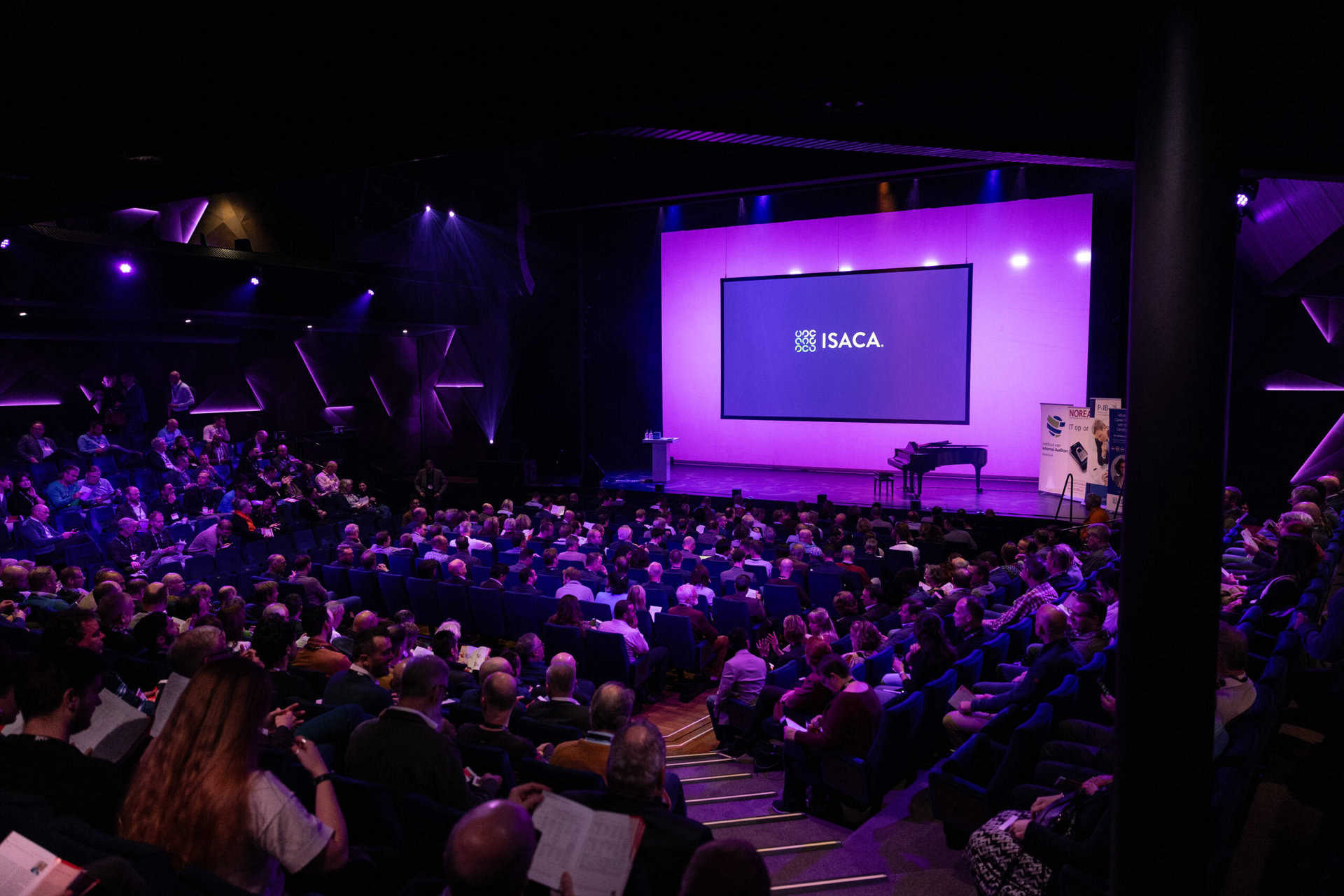
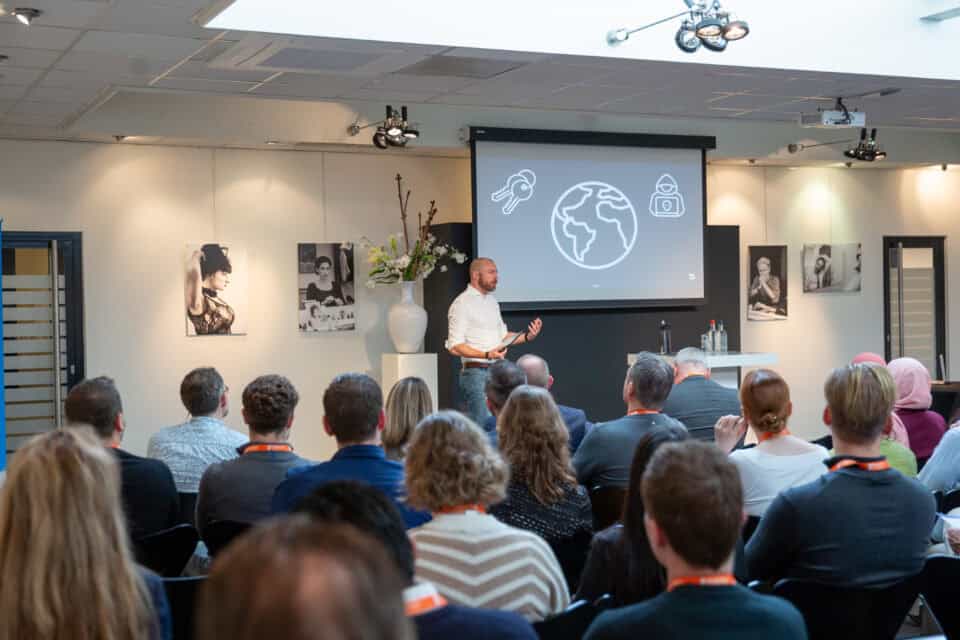
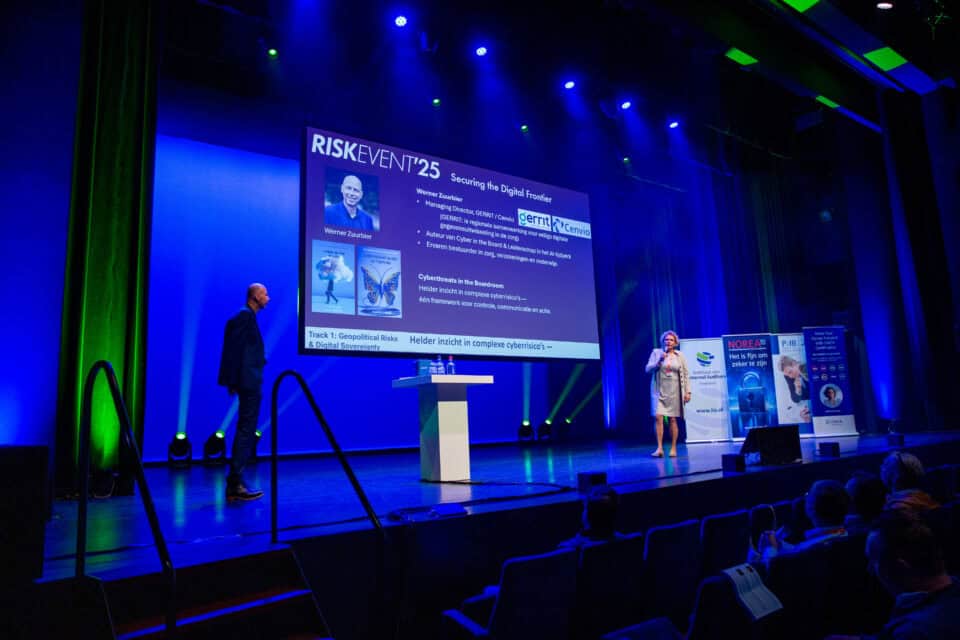
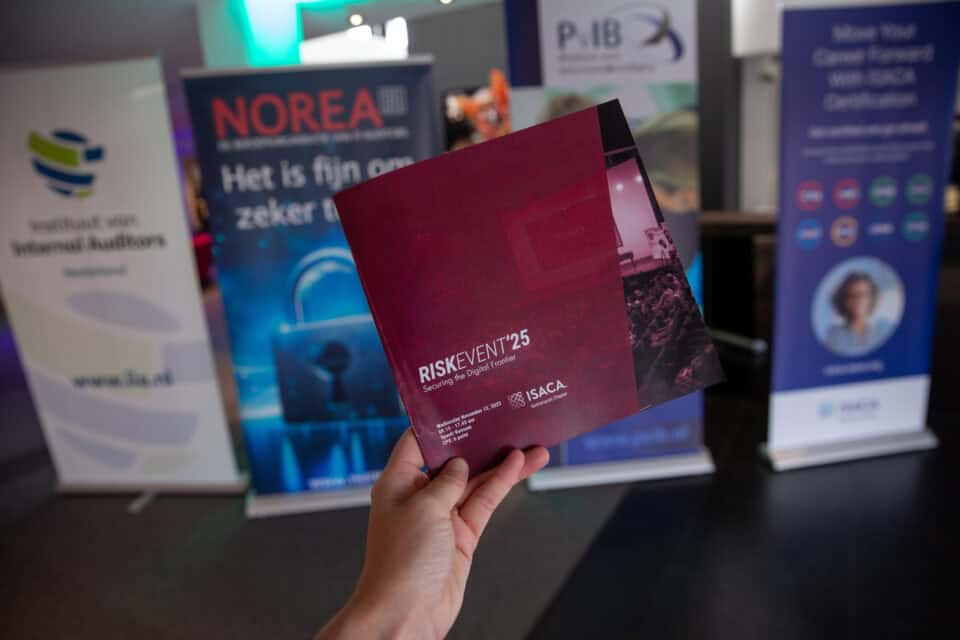
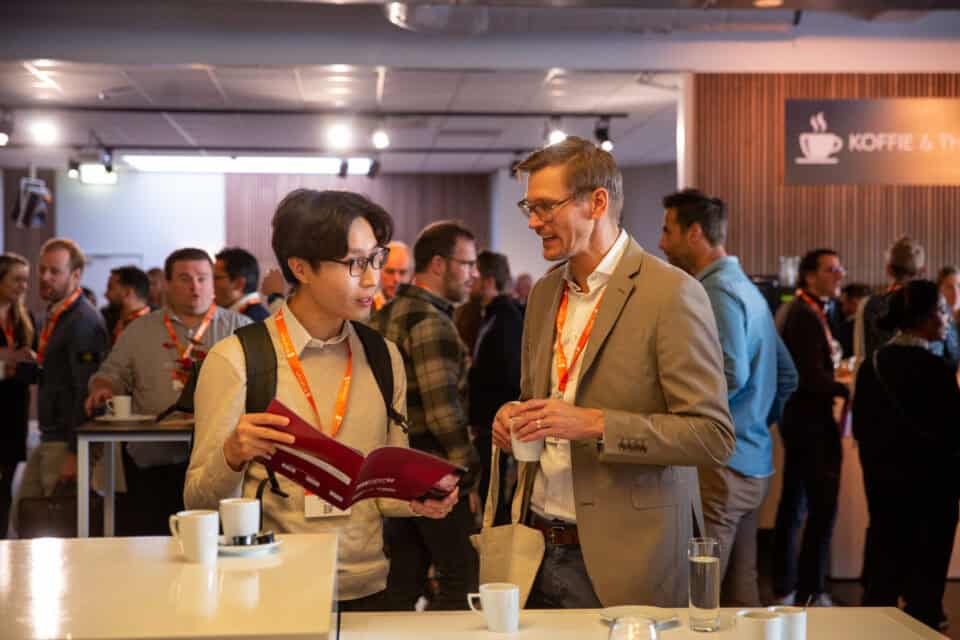
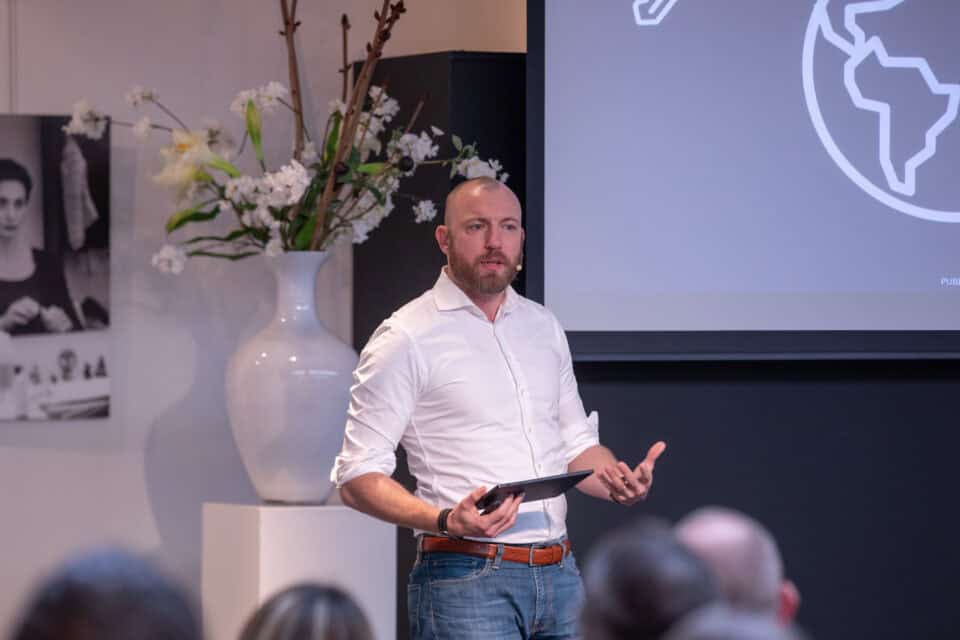
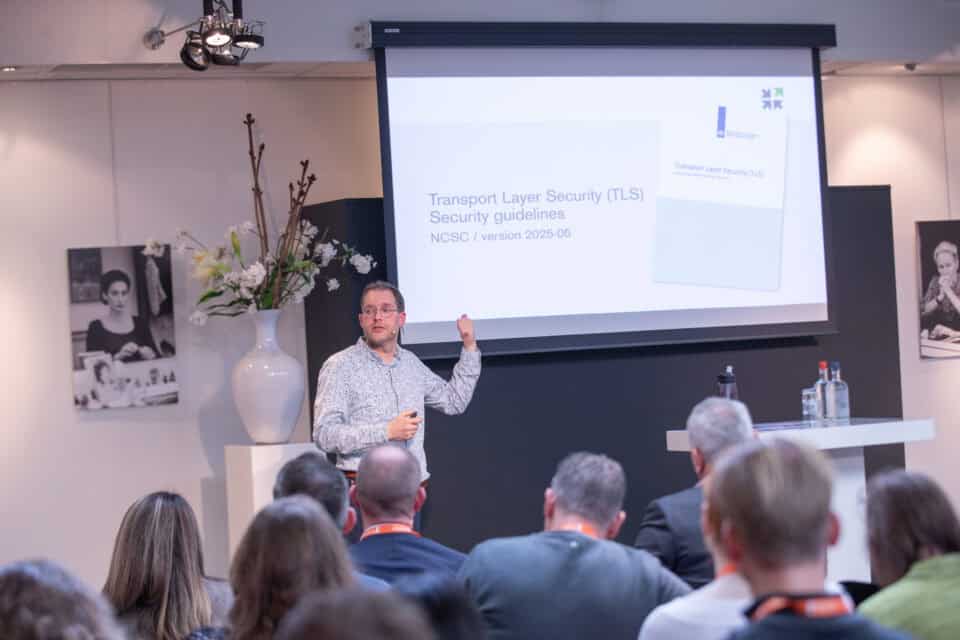
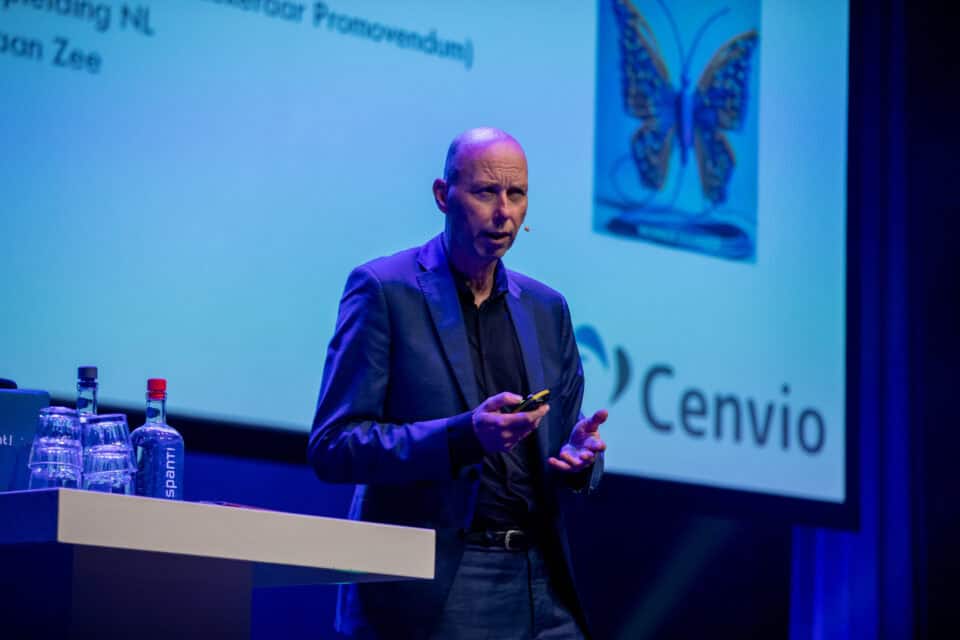
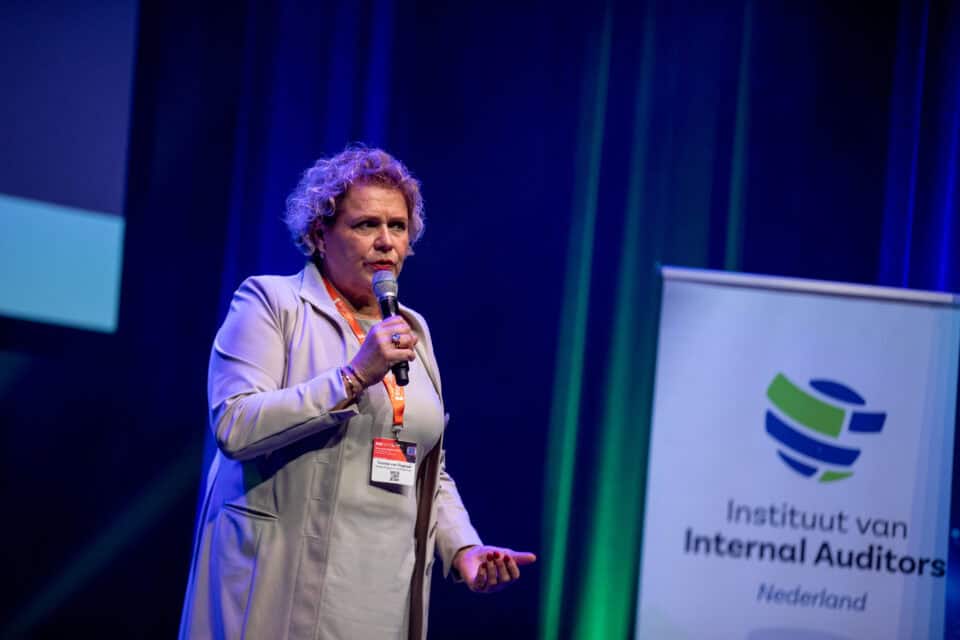
Gallery
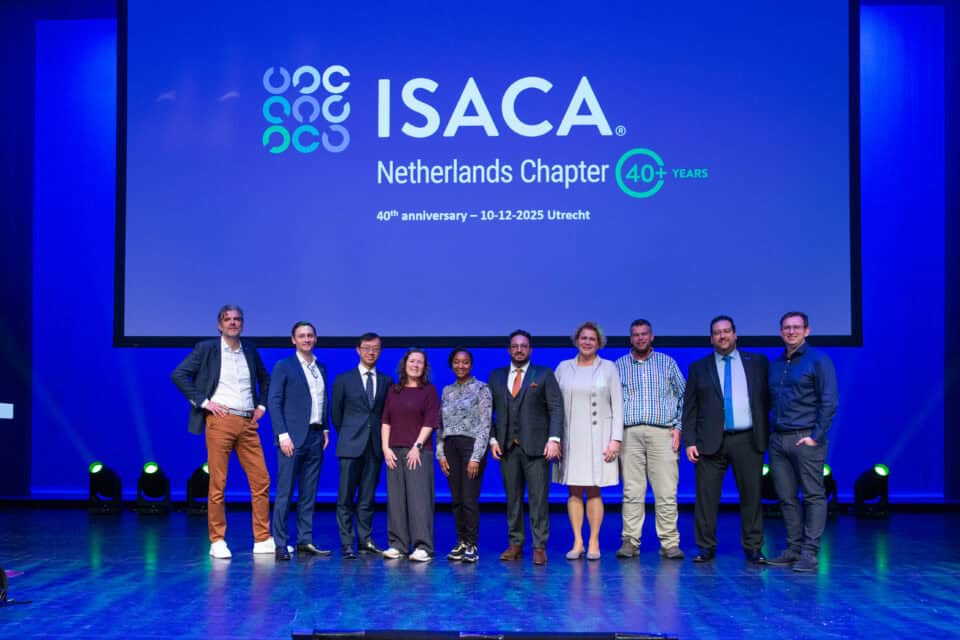
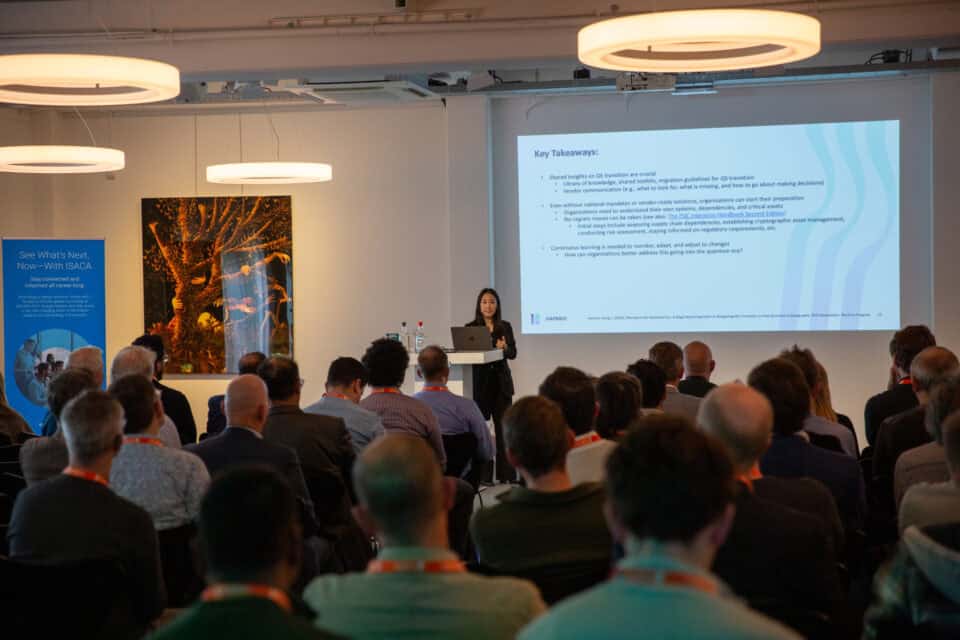
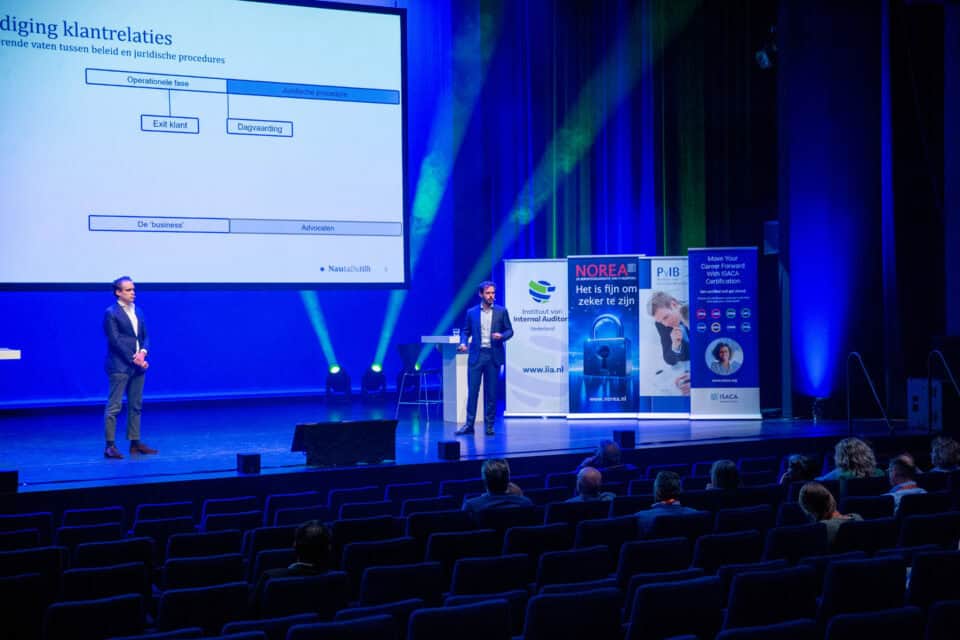
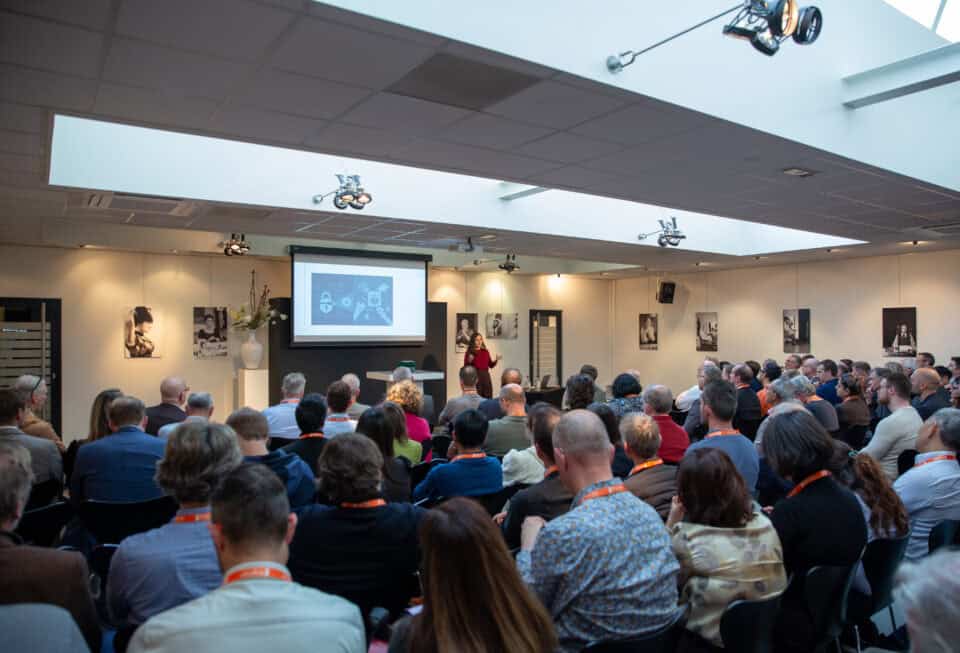
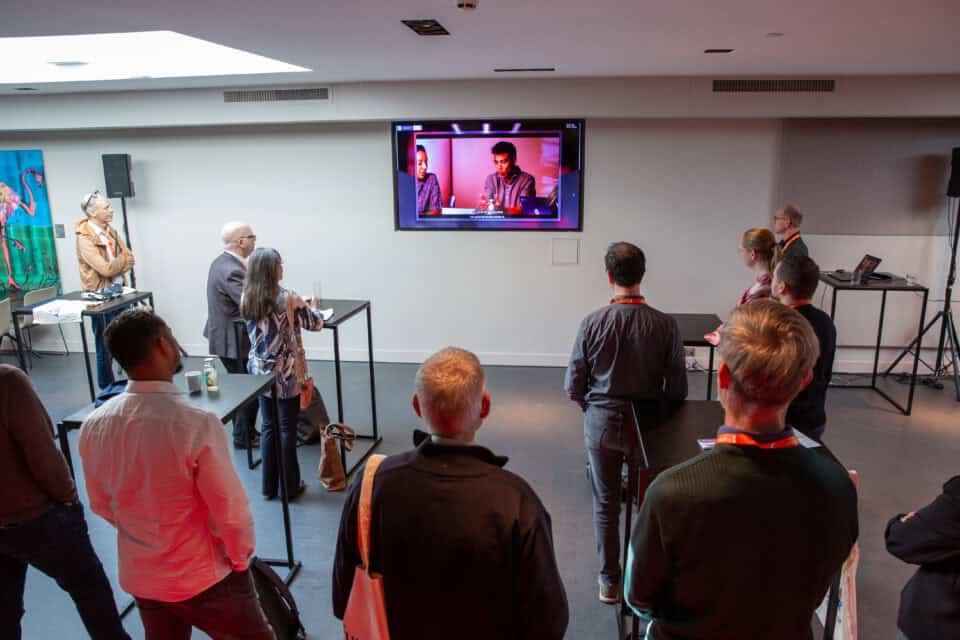
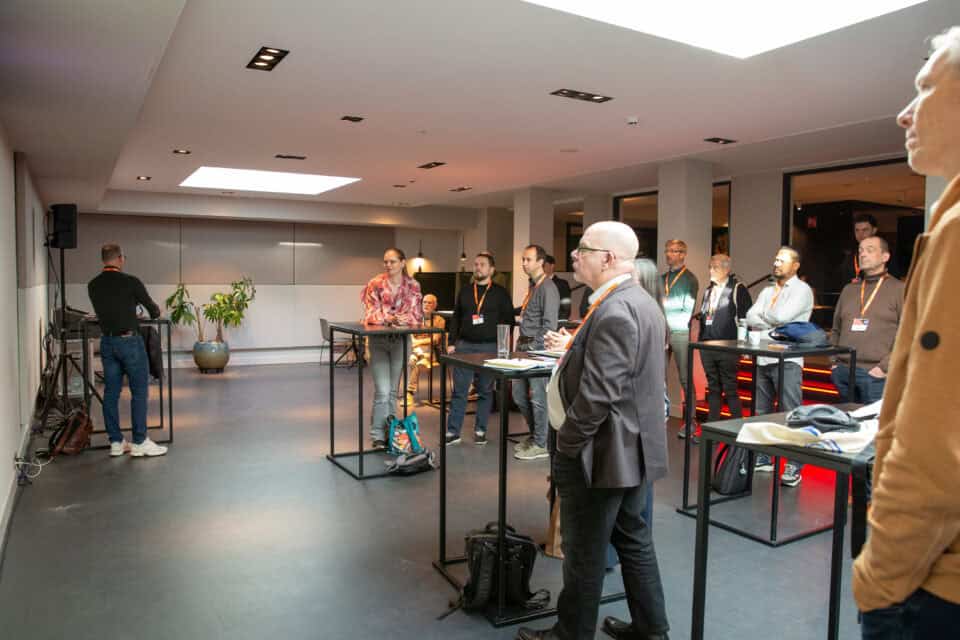
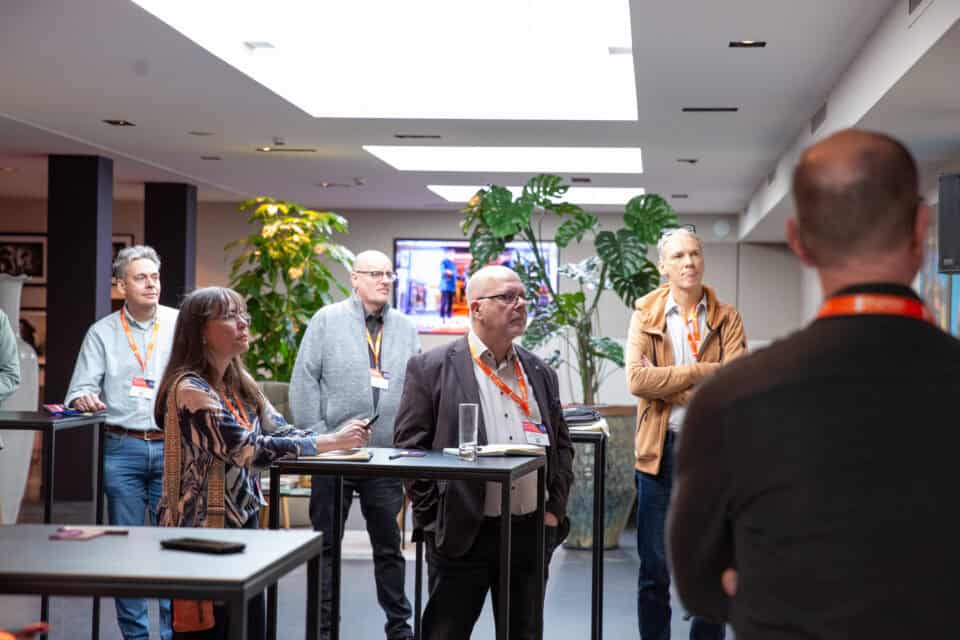
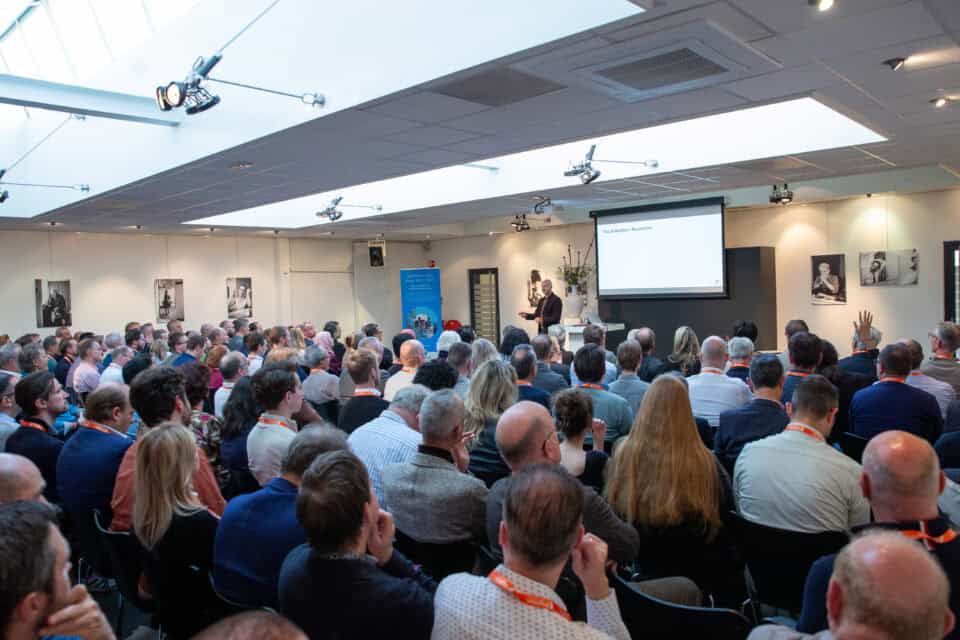
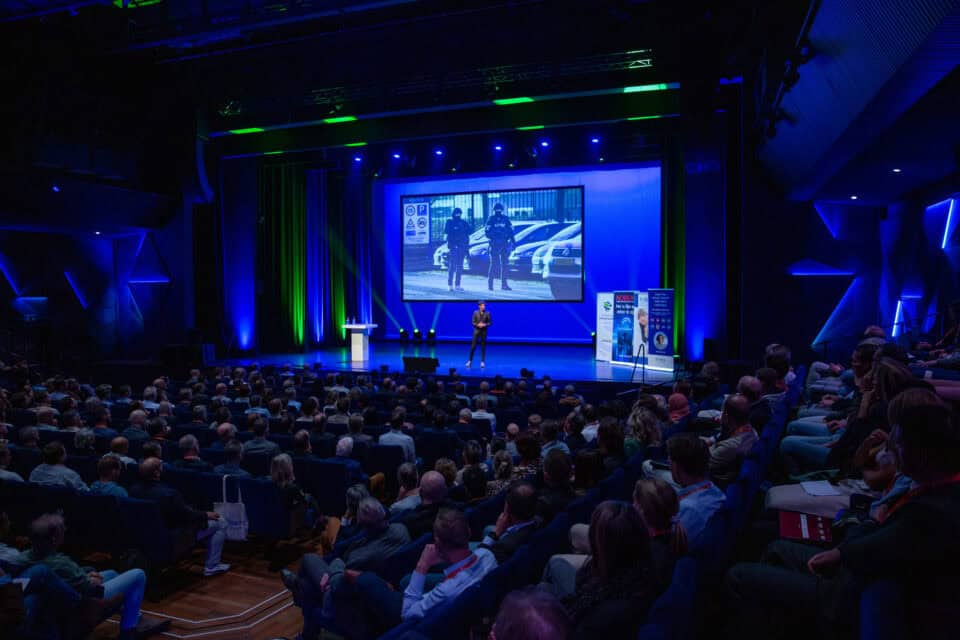
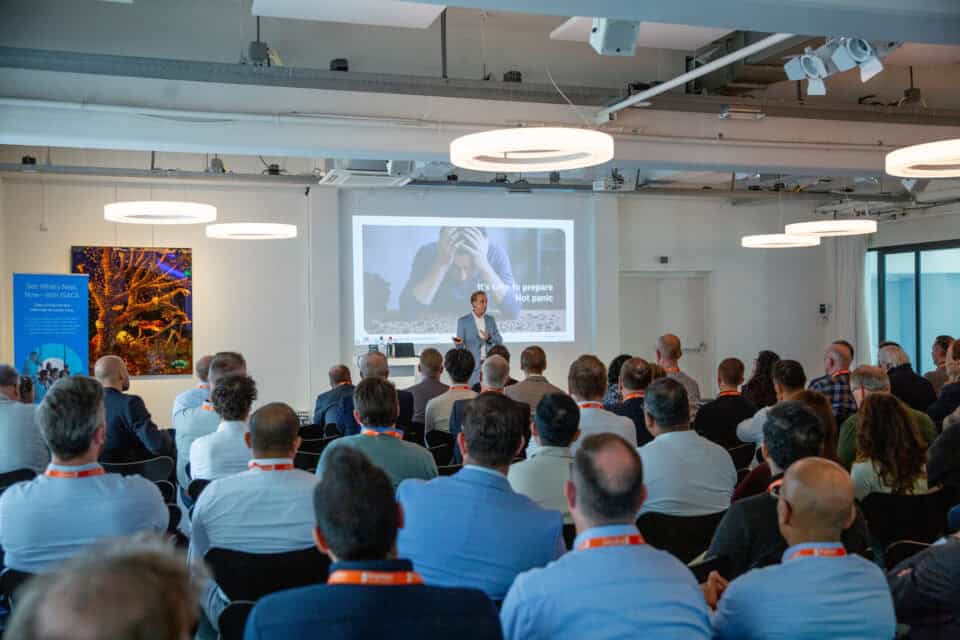
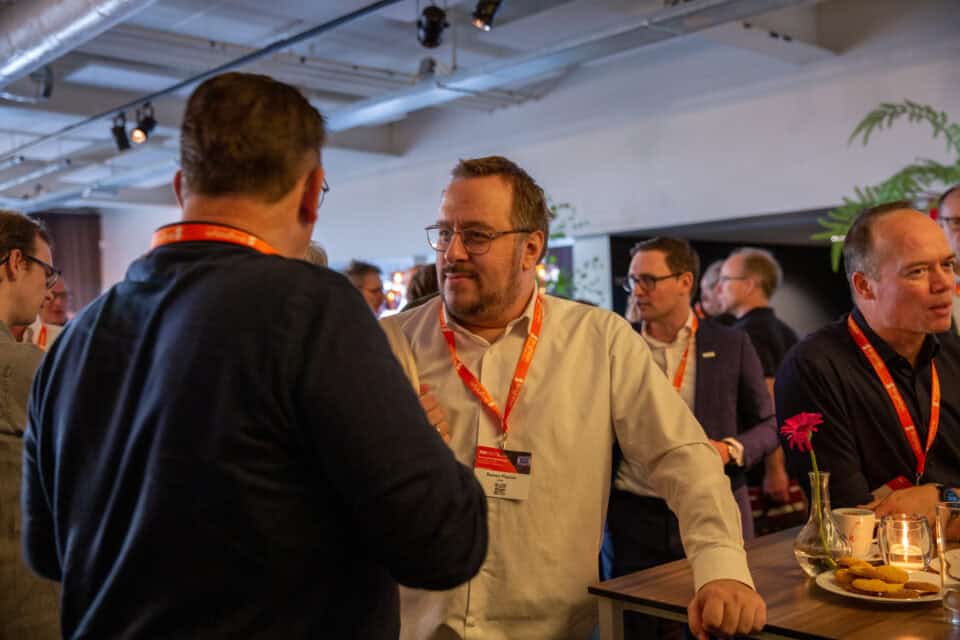
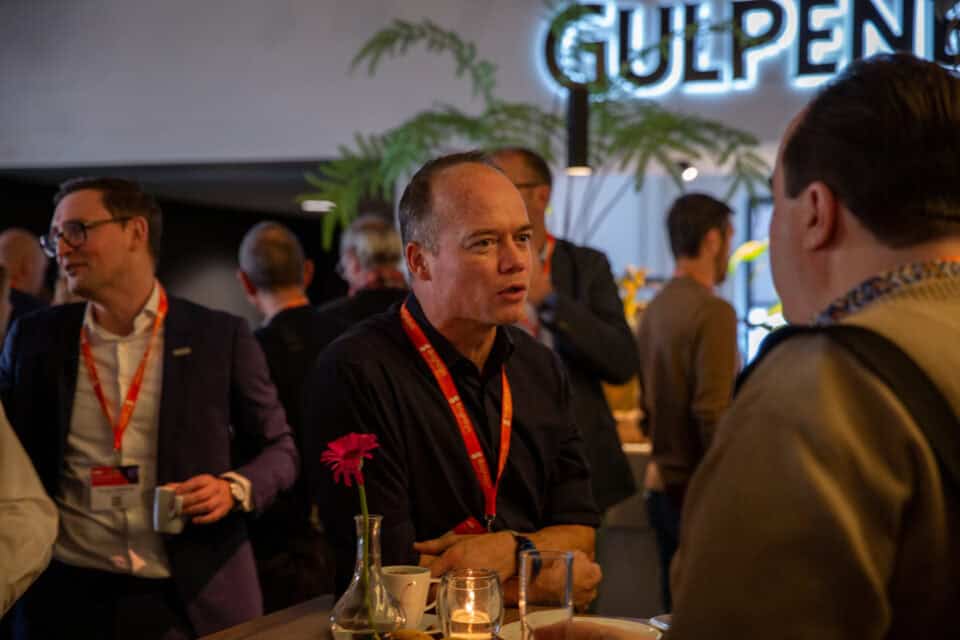
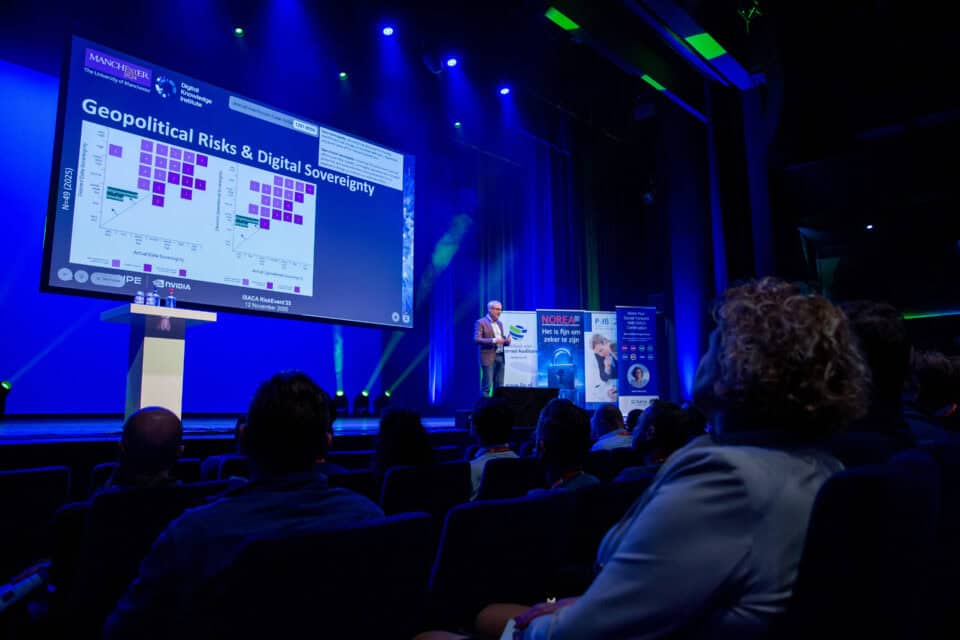
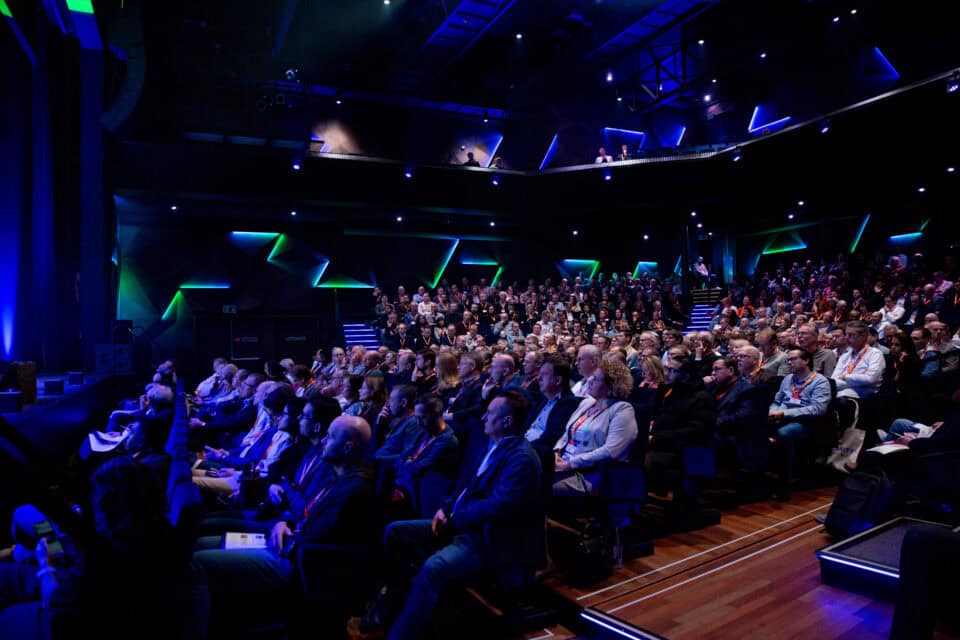
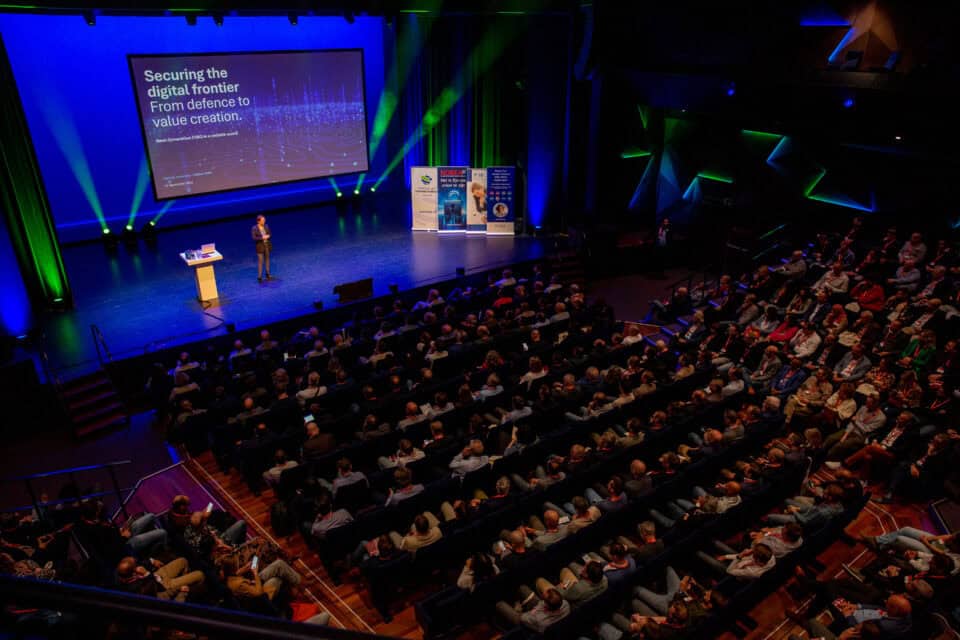
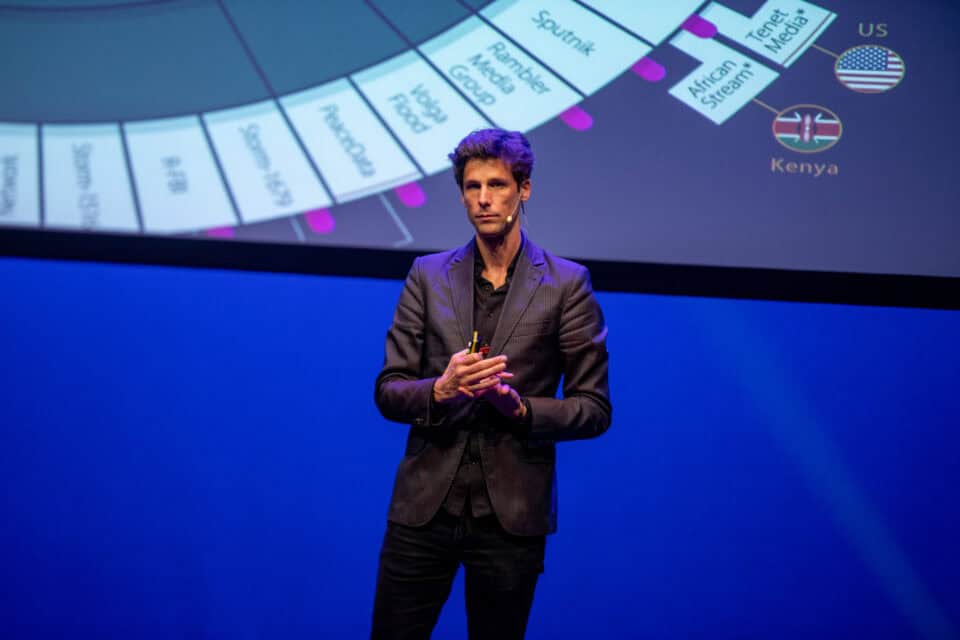
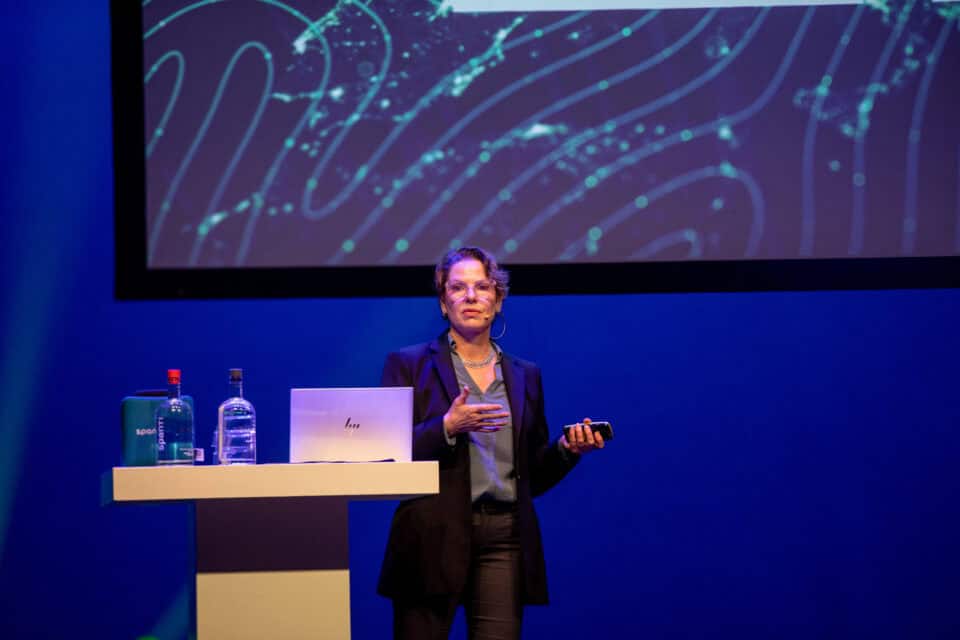
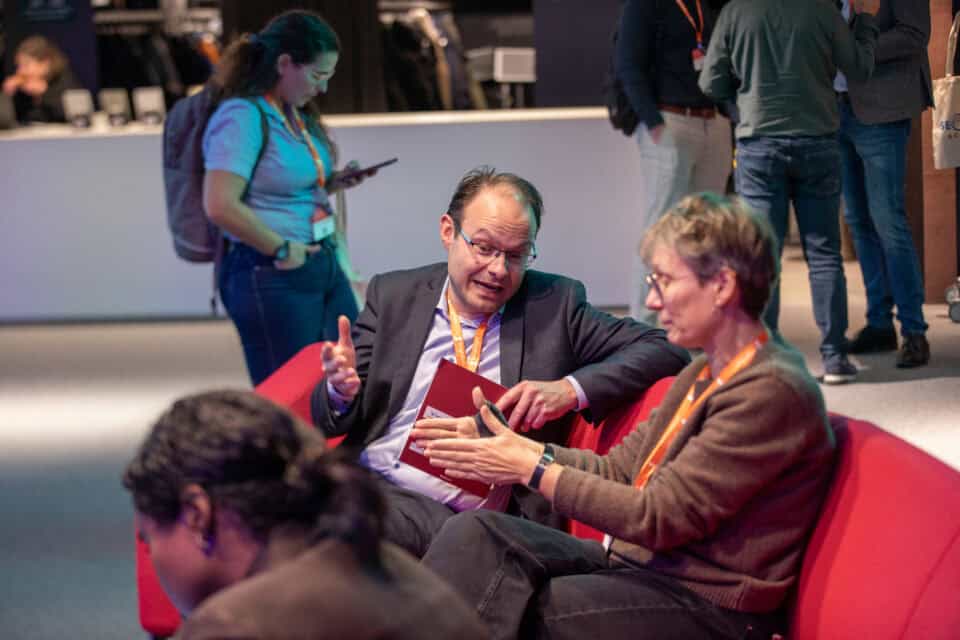
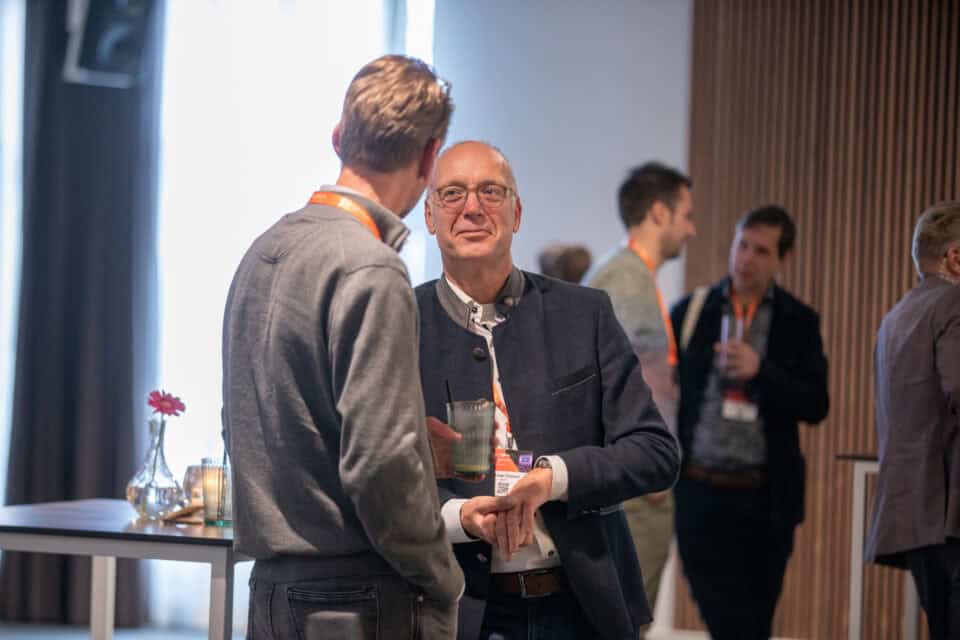
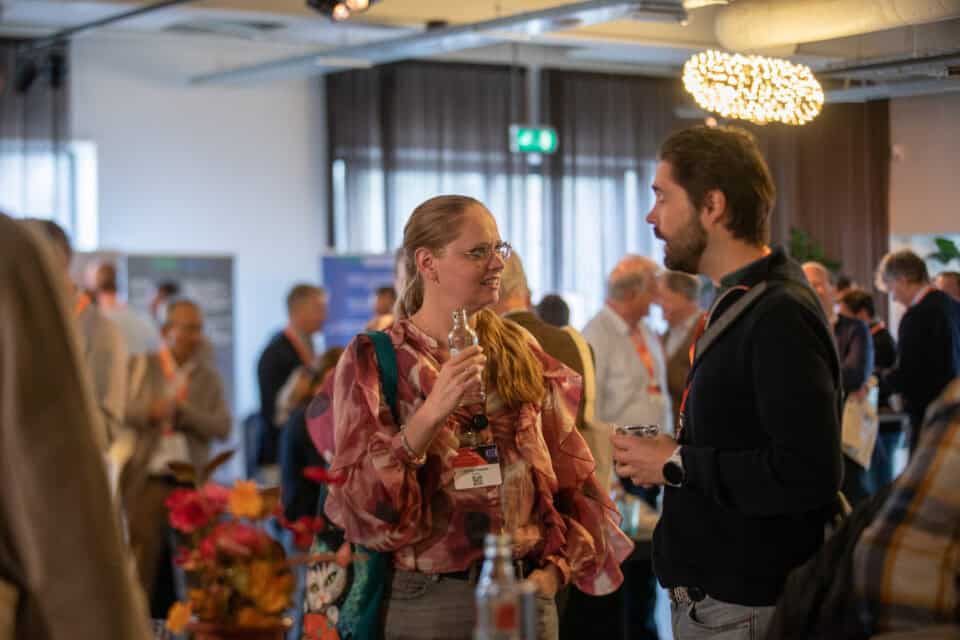
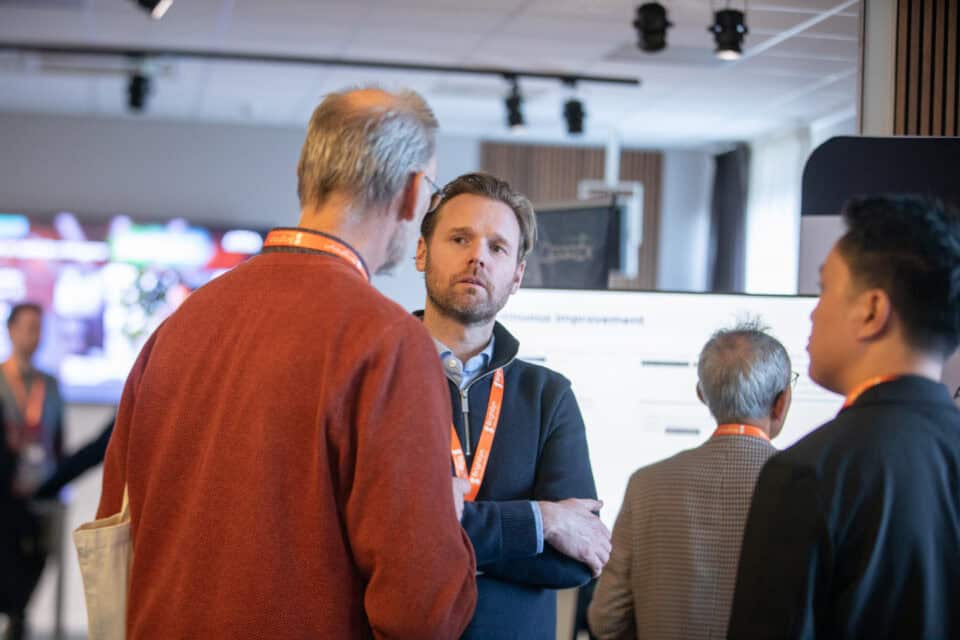
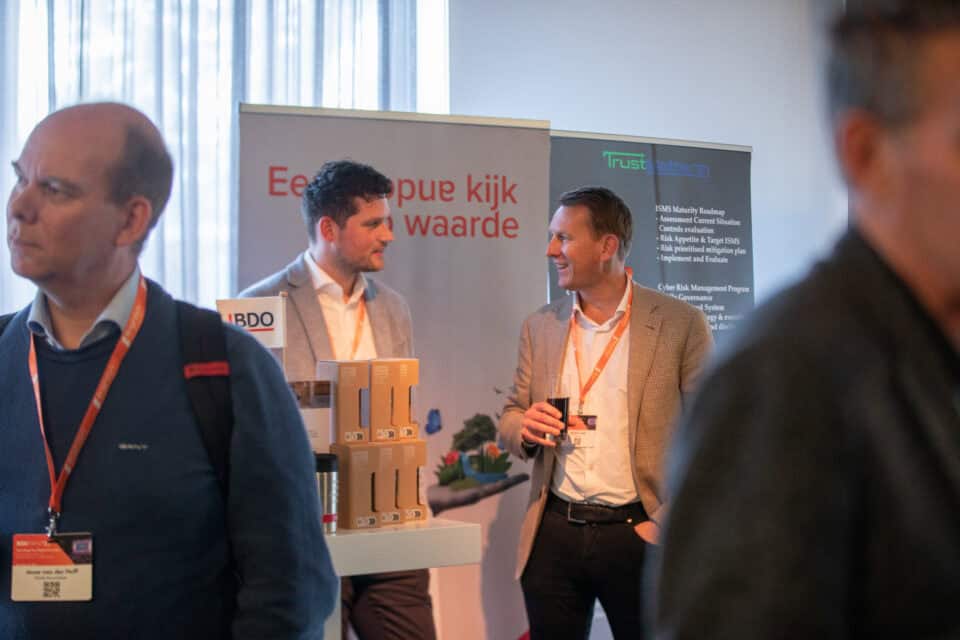
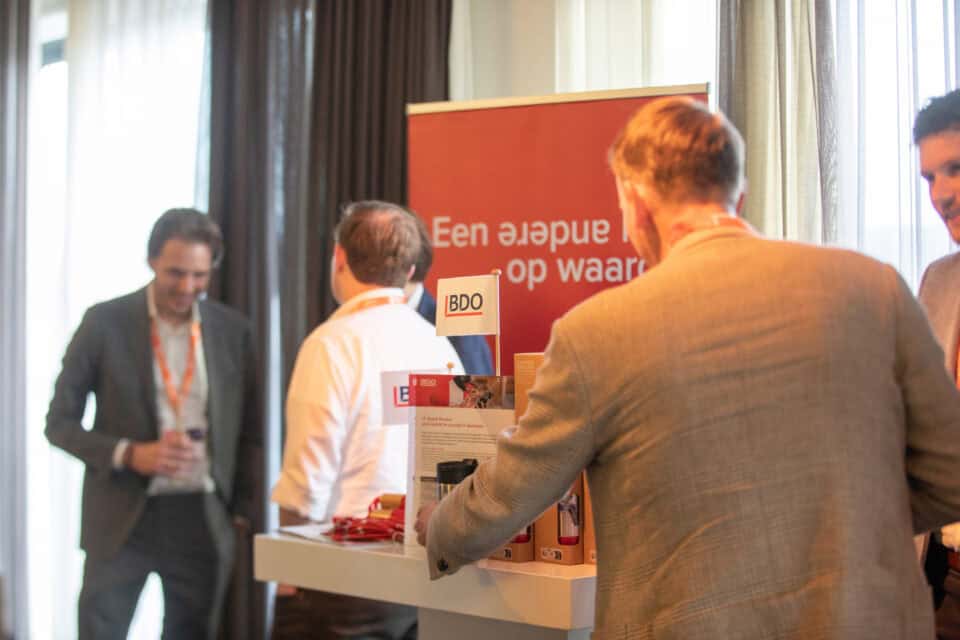
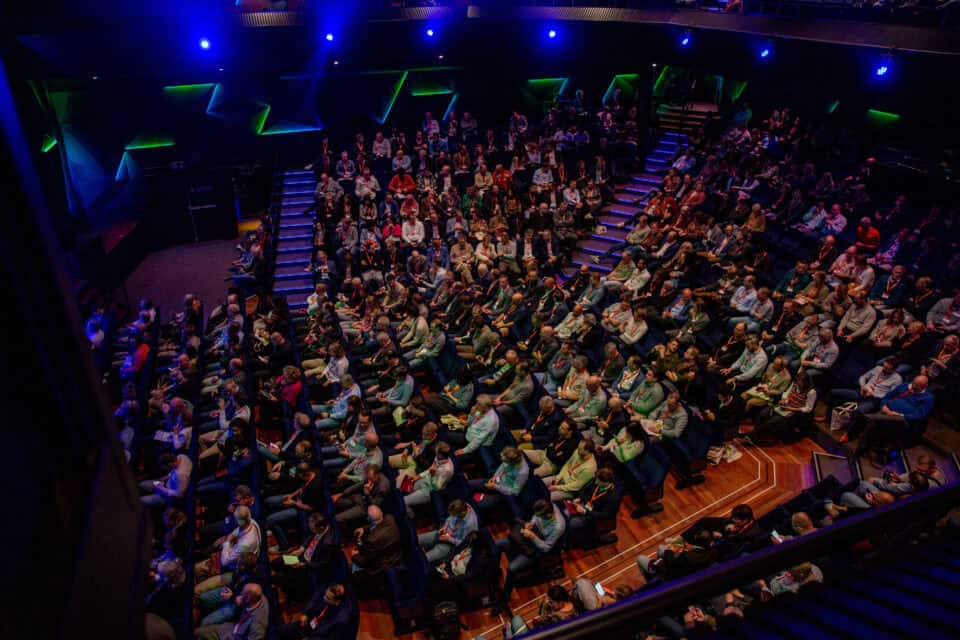
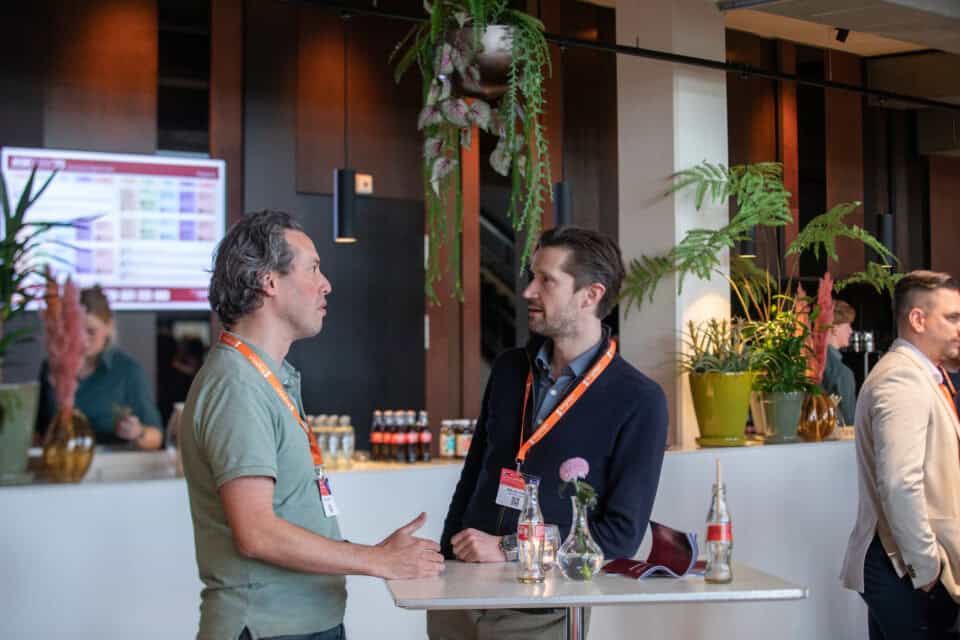
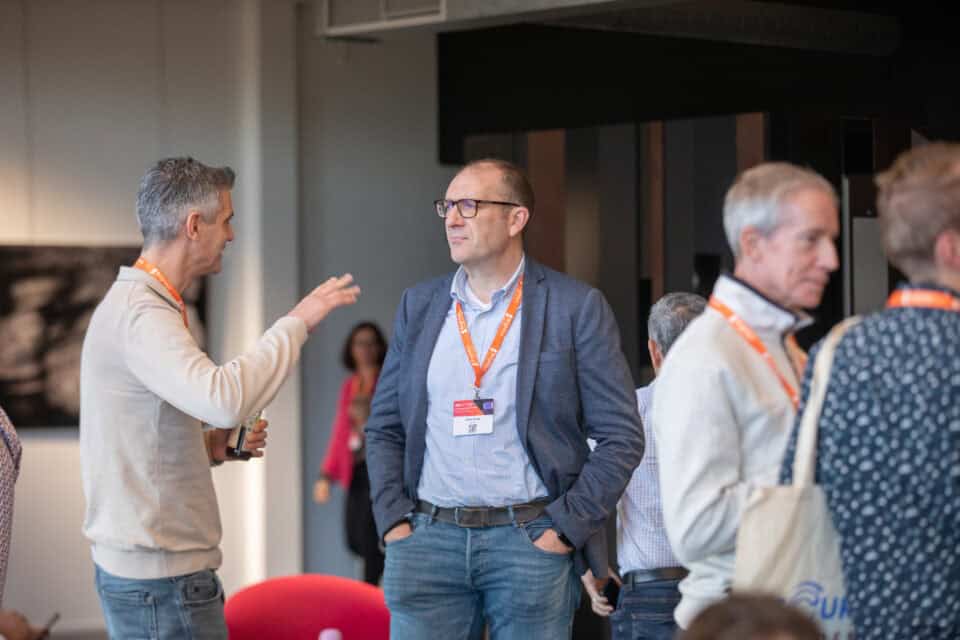
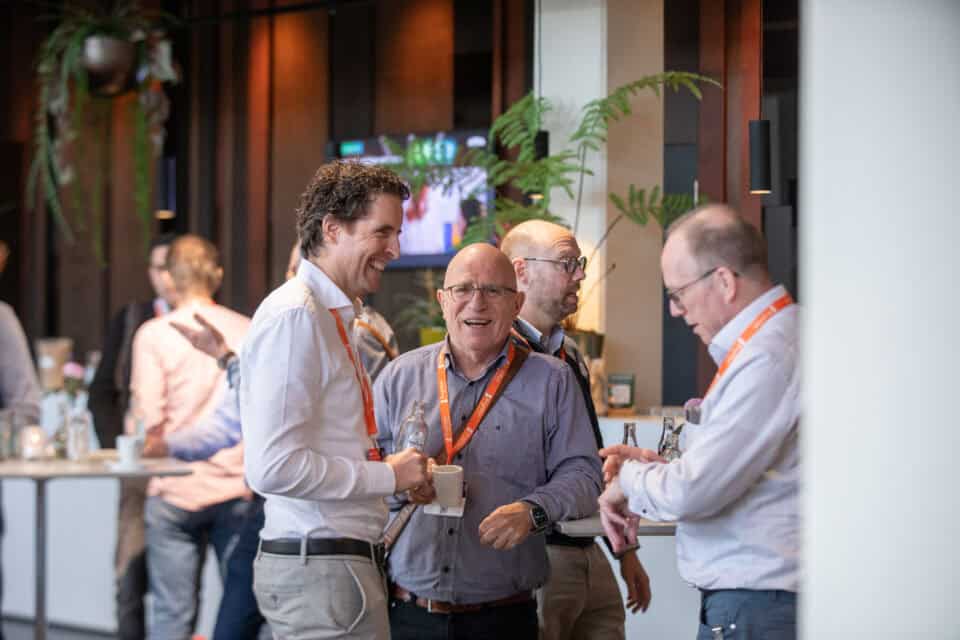
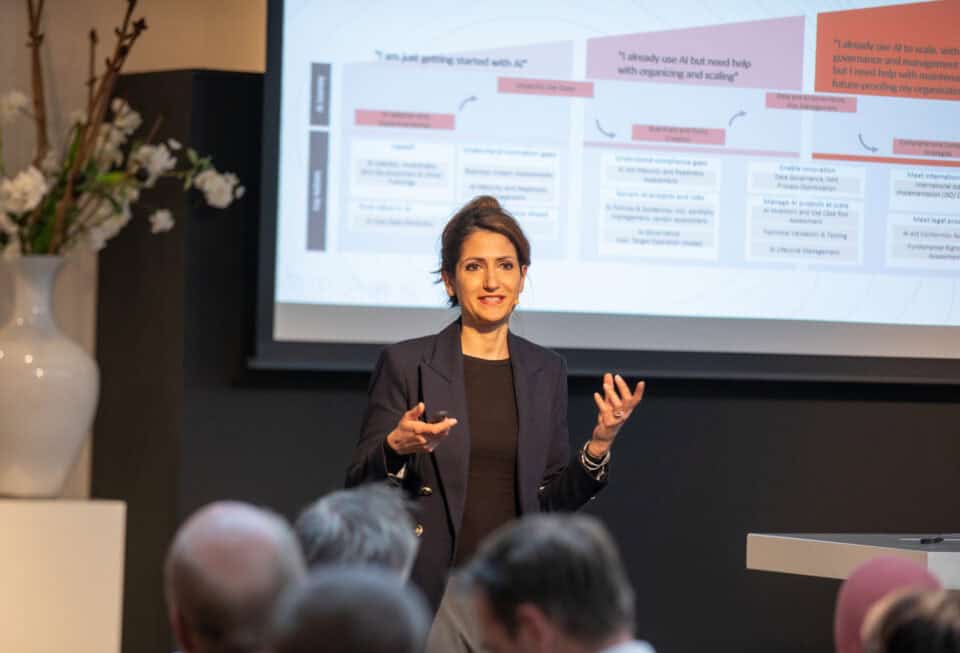
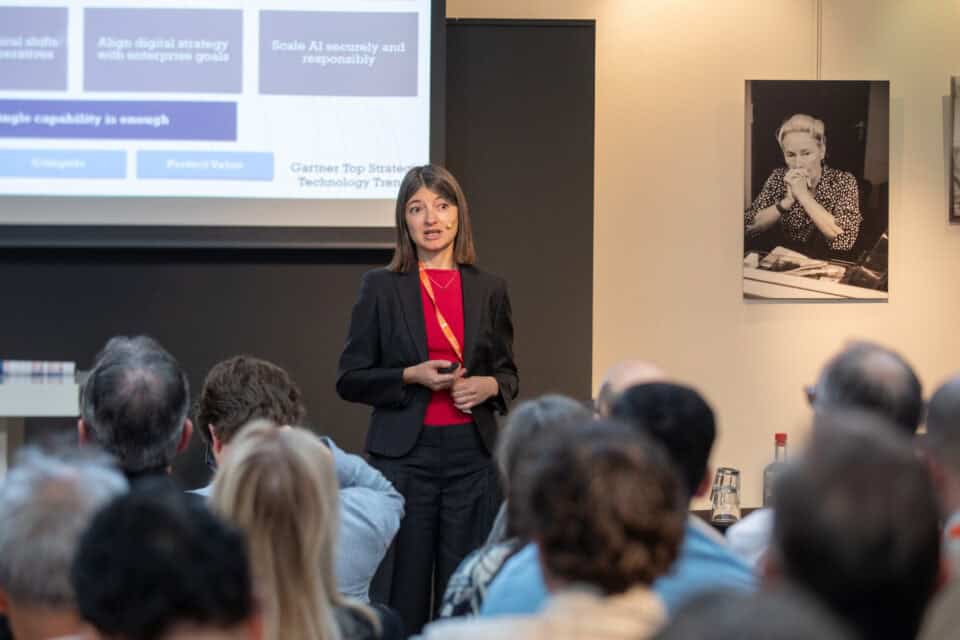
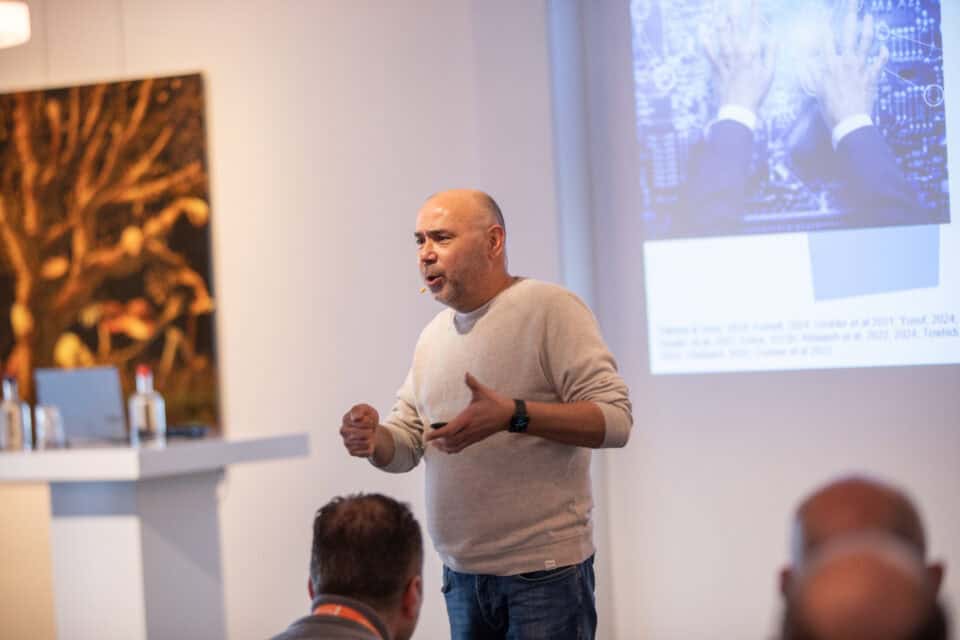
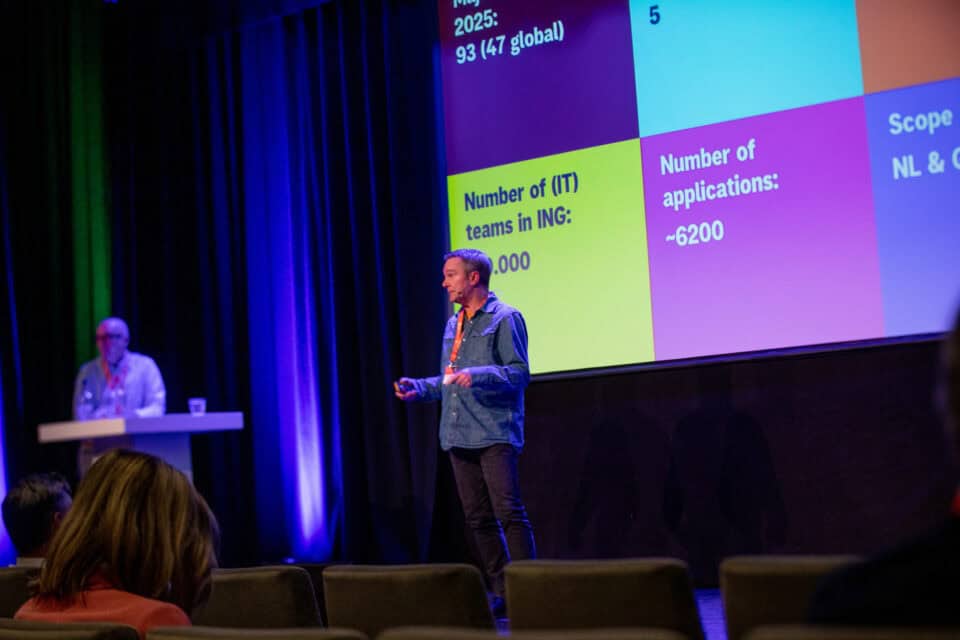
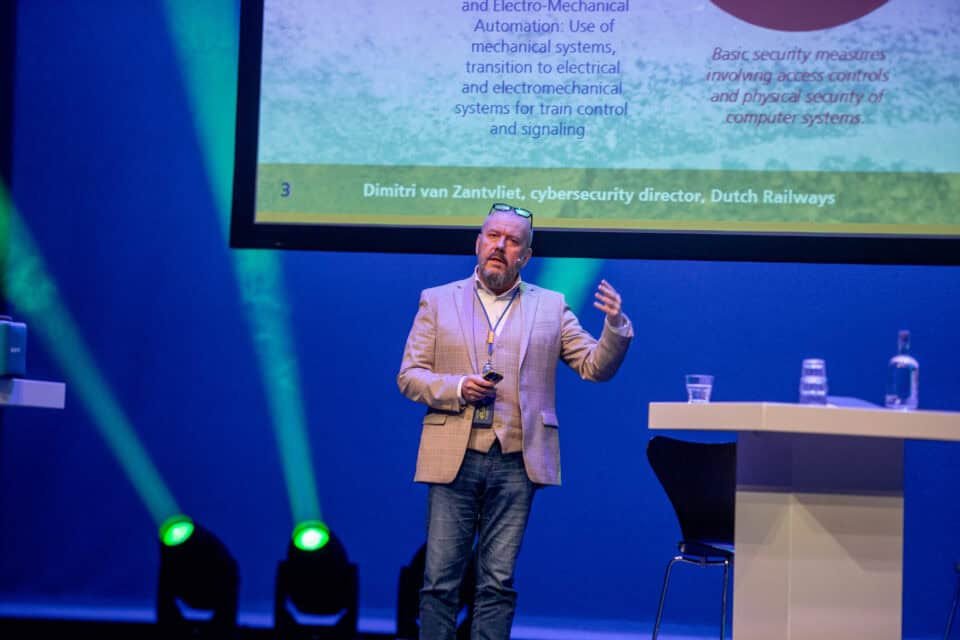
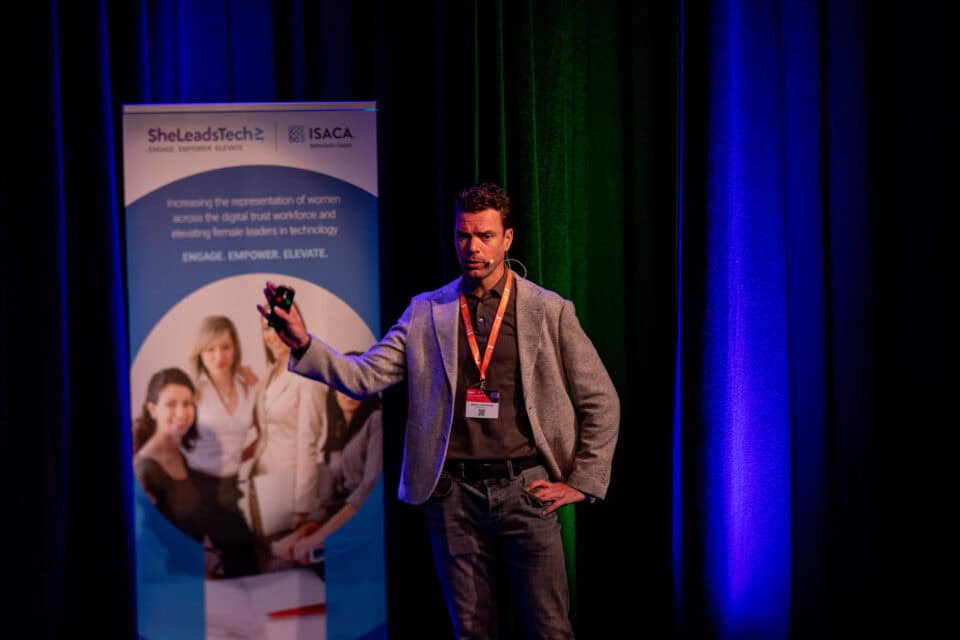
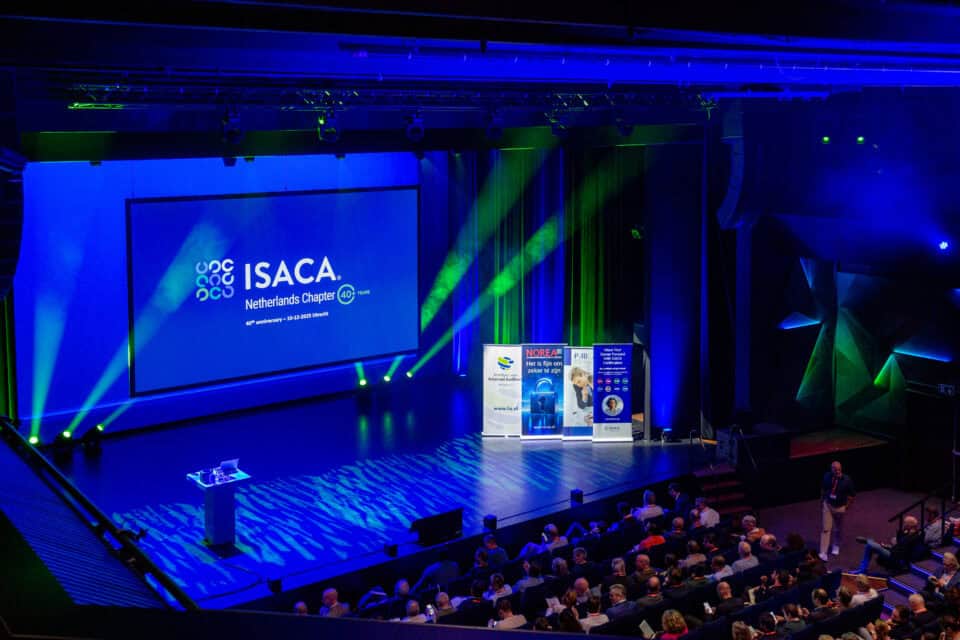
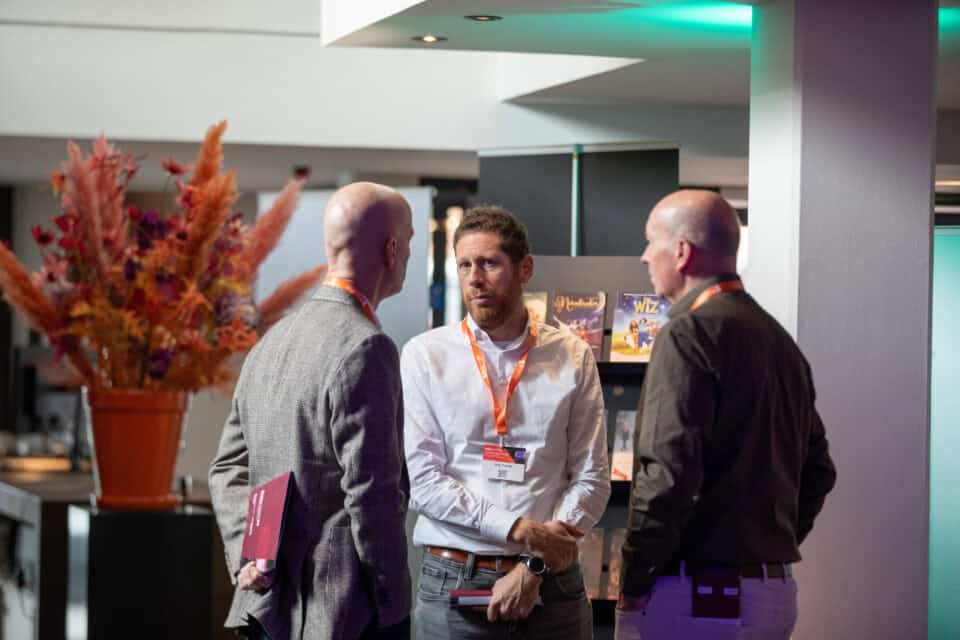
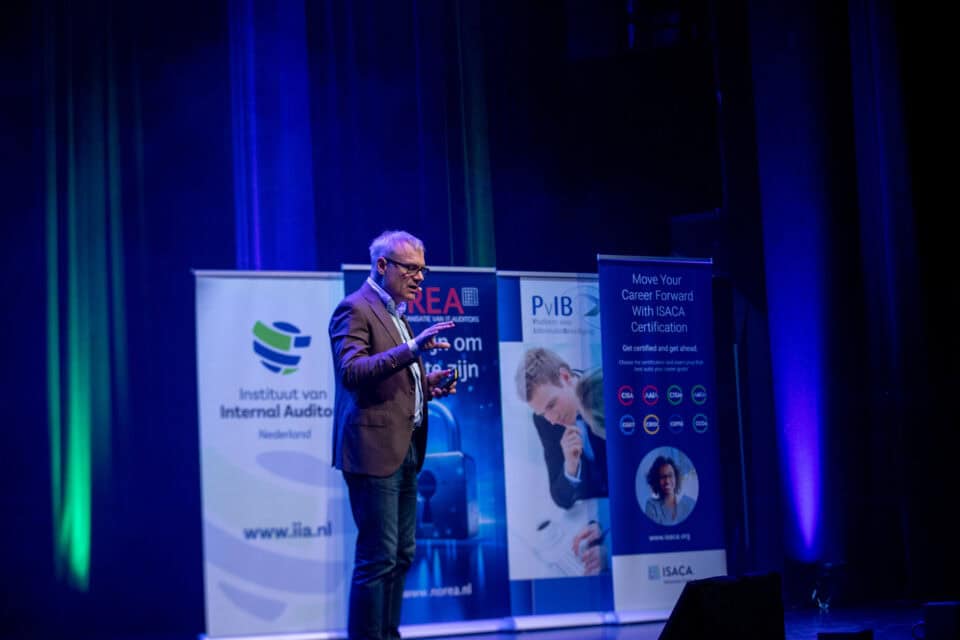
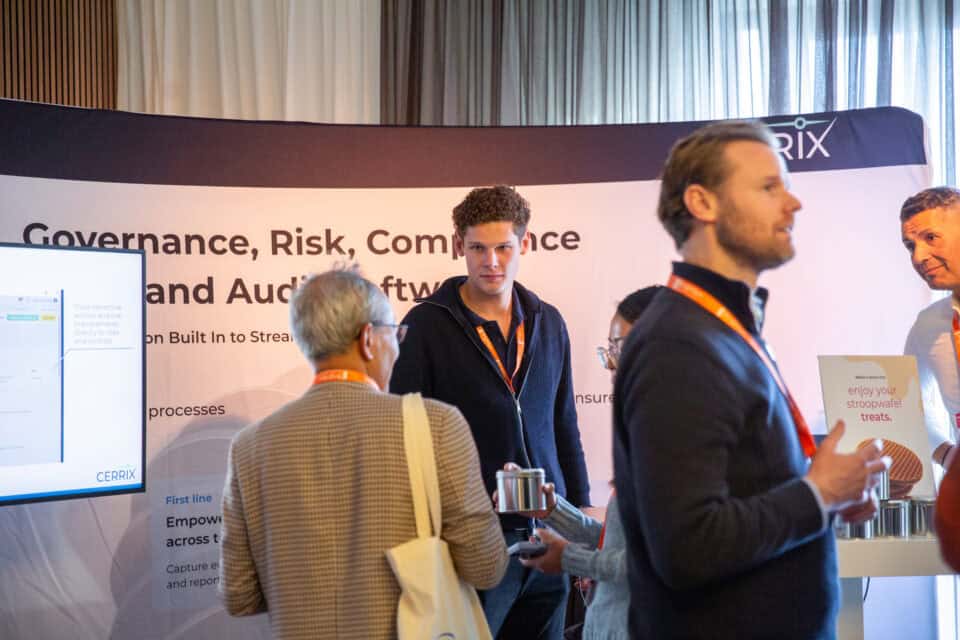
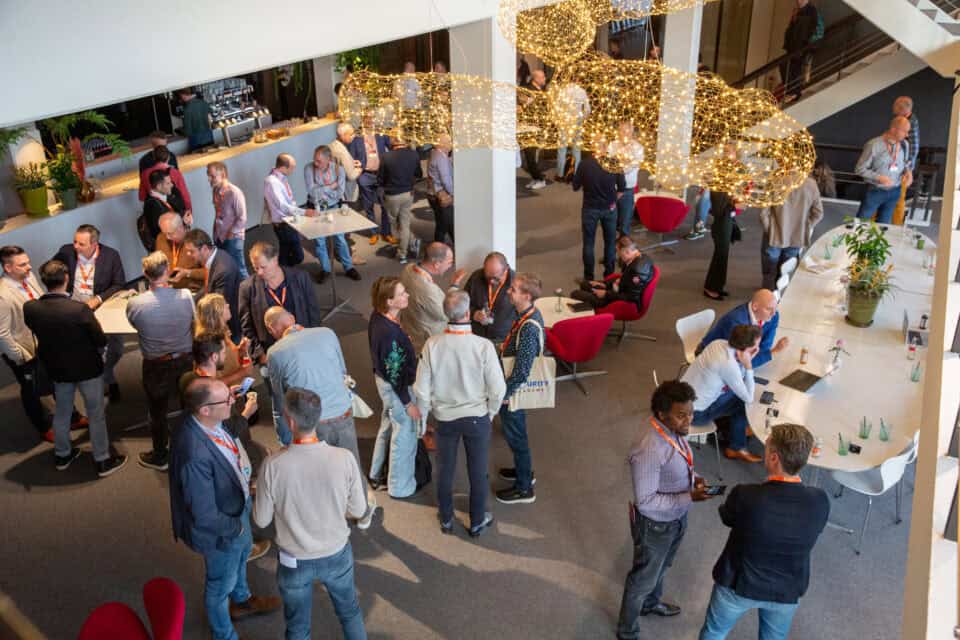
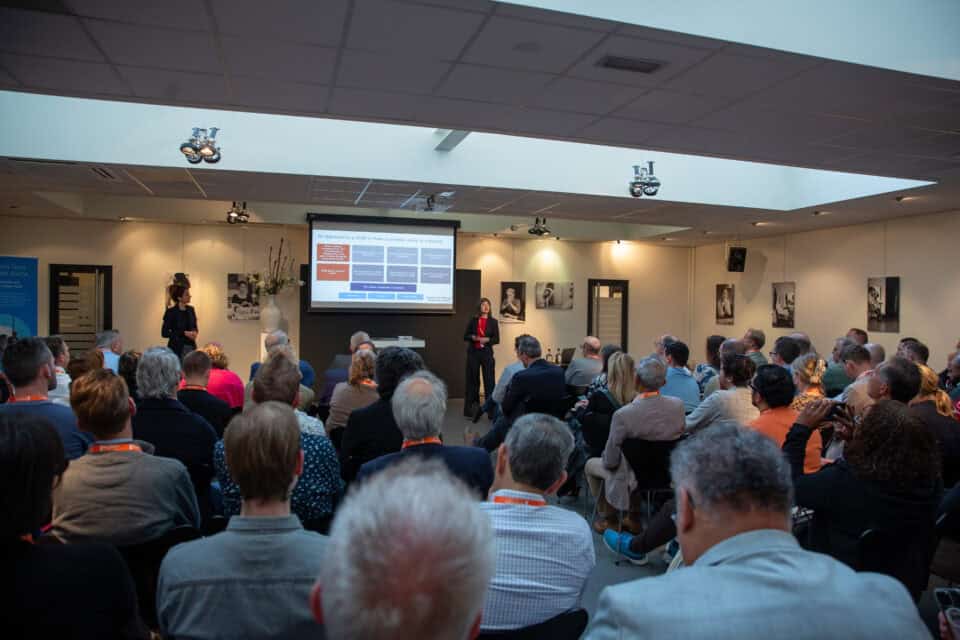
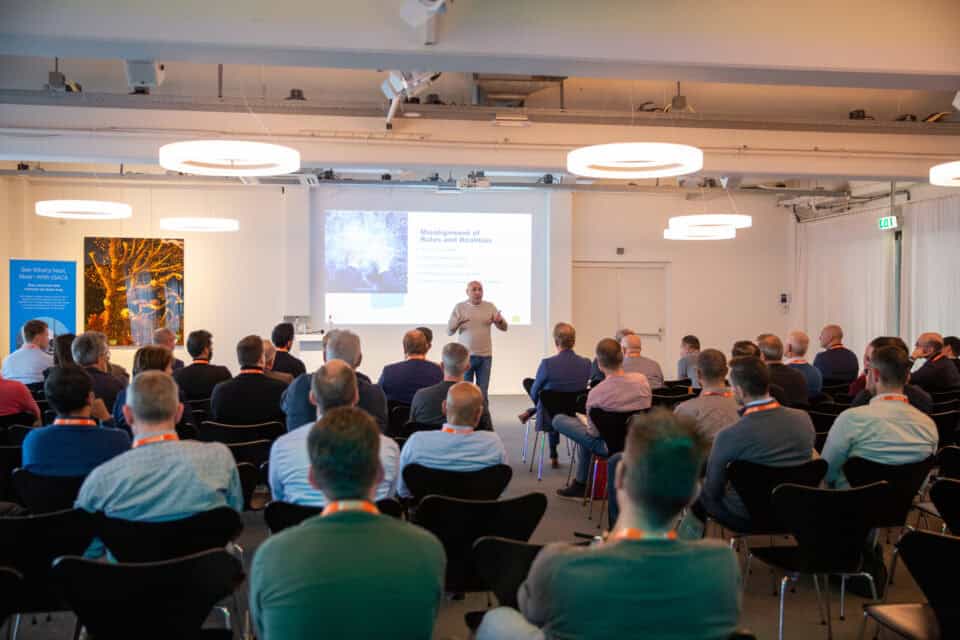
Take a look back at Risk Event 2025. A day full of inspiring talks, lively discussions, and meaningful connections.
Scroll through the highlights and relive the atmosphere, the energy, and the people who made it unforgettable.









Meet the committee
The Risk Event Committee members are: